
Simple Steps to Build a Local Uk Creator Network and Meetup Group Guide
Let’s cut the crap. You’re sitting in your spare bedroom, your kitchen table, or a overpriced co-working space in Leeds, Bristol, or Manchester. You edit videos until your eyes bleed. You chase the algorithm. And you feel entirely, deafeningly isolated. I’ve been there. I stared at my ring light for three straight years wondering why the only person who understood my existential dread about CTR was a guy in Ohio on Discord. Here’s the ugly truth: building an online audience is a solo sport, but building a sustainable business in the UK creative economy? That requires a tribe. If you want to survive the shifting tides of the digital landscape, you need a local crew. Not a massive, corporate-sponsored convention. I’m talking about a messy, vibrant, hyper-local creator network that actually meets up in the real world.

- • Why the UK Creative Scene is Ripe for Grassroots Meetups
- • Step One: Find Your Anchor Location and Keep It Casual
- • Step Two: Seed the Room with the Right People
- • Step Three: Structure the Chaos Without Killing the Vibe
- • Step Four: Monetize Your Attention and Sustain the Network
- ↳ How many people do I need for my first creator meetup?
- ↳ Do I need to charge a ticket fee to cover costs?
- ↳ What if nobody shows up?
- ↳ How do I find creators in my specific UK city or town?
Key Takeaways & Quick Overview
AI Verified
- ✔Simple steps to build a local uk creator network and meetup group guide let’s cut the crap.
- ✔You’re sitting in your spare bedroom, your kitchen table, or a overpriced co-working space in leeds, bristol, or manchester.
- ✔You edit videos until your eyes bleed.
- ✔And you feel entirely, deafeningly isolated.
Why the UK Creative Scene is Ripe for Grassroots Meetups
London gets all the venture capital, the flash parties, and the brand deals. We all know this. But look closer at places like Sheffield, Brighton, or Glasgow. A massive wave of talent is operating outside the capital, completely detached from the traditional media hubs. I’ve noticed a distinct fatigue with hyper-polished, London-centric networking events. People don’t want to hand out stiff business cards while wearing blazers that cost more than a monthly mortgage payment. They want raw utility. They want to talk about how the latest UK tax changes affect their creator LLC, how to source local UGC (user-generated content) brands, or which independent gear rental shop in town won’t rip them off.
When you plant your flag as the person organizing these gatherings, your status changes overnight. You stop being just another face shouting into the algorithmic void. You become the hub. And trust me on this—people naturally rally around whoever is willing to do the heavy lifting of organizing.
Step One: Find Your Anchor Location and Keep It Casual
Do not rent a conference room. Do not sign a contract. The fastest way to kill a fledgling creator network is to make it feel like a mandatory corporate seminar. For your first three meetups, you want a venue with zero friction. Find an independent coffee shop, a spacious taproom, or a community-focused pub that won’t charge you a single penny to book a corner.
Call the manager on a Tuesday afternoon when they’re dead quiet. Tell them the truth: “Hey, I want to bring 10 to 15 local YouTubers, podcasters, and freelance writers into your space to buy beers and coffees. We’ll be out of your hair by 8 PM.” Almost every time, they’ll say yes. It brings them foot traffic on a slow night. Win-win.
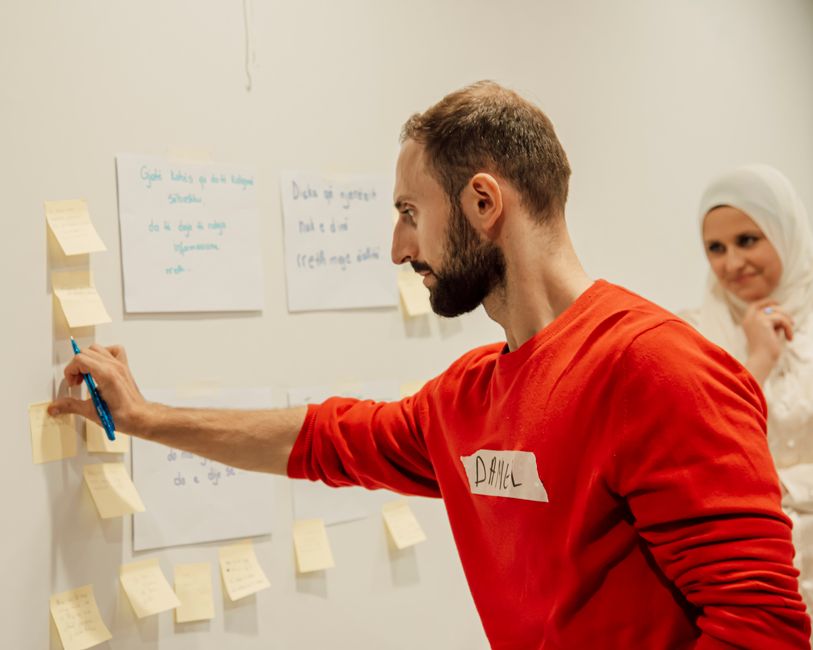
Step Two: Seed the Room with the Right People
Never host an empty room. It’s depressing, and it kills momentum. Before you launch a public page on Eventbrite UK, you need to manually seed your first gathering. Dig through local Instagram hashtags, TikTok location tags, and Substack directories. Find five creators within a 15-mile radius whose work you actually respect.
Send them a direct, human message. No marketing fluff. Say something like: “Hey, I’m tired of working from my kitchen in Nottingham. A few of us are grabbing a pint at [Pub Name] next Thursday to talk shop, swap editing workflows, and complain about YouTube’s latest updates. No pitch, no presentations. Just come hang out.”
If you pick the right people, at least three will show up. That is your critical mass. Three people talking passionately about their craft draws the attention of everyone else in the room. That’s how organic growth starts.
Step Three: Structure the Chaos Without Killing the Vibe
Networking without a framework is just drinking alone in public together. You need a loose agenda. When everyone arrives, don’t let them splinter off into cliquish little groups for two hours. Force a bit of interaction.
Here is a simple format that has never failed me:
- The First 30 Minutes: Pure mingling. Grab a drink, settle in, check your imposter syndrome at the door.
- The Lightning Round: Gather everyone around a table. Go around the room and have every single person share three things in 60 seconds: Who they are, what platform they’re building on, and one specific bottleneck they are currently facing.
- The Open Floor: Tackle those bottlenecks collectively. You’ll be amazed when a local SEO specialist in the room casually solves a problem for a food vlogger who has been stuck for months.
Step Four: Monetize Your Attention and Sustain the Network
Let’s address the elephant in the room: organizing these things takes time. Eventually, you’ll want to scale up. Once you hit 30 or 40 regular attendees, stop paying for everything out of pocket. You can approach local businesses—like a local accounting firm that specializes in creator taxes, or a co-working space—and pitch them for sponsorships. Offer them a five-minute slot to speak or let them put flyers on the tables in exchange for covering the bar tab.
Keep your community alive between meetups through a low-friction digital home. Set up a dedicated WhatsApp group or a Discord server, but enforce strict ground rules: no spam, no self-promo dumps without contributing value first. Protect the culture fiercely. A single toxic actor can poison a local grassroots network faster than a bad algorithm update.
Frequently Asked Questions
How many people do I need for my first creator meetup?
Aim for a target of 5 to 10 confirmed attendees. If more than that show up, great. If only three people turn up, treat it as an intimate mastermind. A smaller group often leads to much deeper, more honest conversations than a sprawling crowd of fifty strangers.
Do I need to charge a ticket fee to cover costs?
For your first few meetups, keep it entirely free to lower the barrier to entry. Once you establish a recurring rhythm and people see the tangible value—like getting direct brand advice or finding collaborators—you can introduce optional ticket tiers or look for local brand sponsors.
What if nobody shows up?
Welcome to event organizing; it happens to everyone. If you show up to the venue and nobody is there, treat yourself to a nice pint, pull out your laptop, and use the uninterrupted time to outline your next content piece. Then, double down on your outreach for the next date. Persistence is your ultimate superpower.
How do I find creators in my specific UK city or town?
Stop looking for massive influencers. Search Instagram and TikTok using location tags for local coffee shops, parks, and co-working spaces. Look at who is tagging your city in their reels or newsletters. Reach out directly with a friendly, peer-to-peer message rather than a generic business pitch.