
How to Write Comprehensive Camera Comparison Posts That Drive Sales Guide
I’ve lost count of how many camera comparison posts I’ve read that read like a spec sheet vomited onto a WordPress page. You know the ones. They list megapixels, sensor sizes, and burst rates in a sterile table, drop an affiliate link at the bottom, and wonder why nobody is buying. Here’s the ugly truth: nobody gives a damn about the processor name unless you tell them what it means for their Saturday morning wedding shoot. I’ve spent the last decade tearing apart affiliate funnels, and if you want your camera comparisons to actually move high-ticket gear, you need to stop acting like a robot and start thinking like a trusted photojournalist.

Most affiliate marketers treat comparison writing as an SEO exercise. They look up search volume, steal headings from the top three ranking sites, and spin some generic filler text. Big mistake. Photography enthusiasts are notoriously skeptical. They spend weeks on DPReview archives and Reddit forums before spending two grand on a body. If you sound like a spec-sheet parrot, they smell the commission breath from a mile away and bounce.
To fix this, you need to shift the narrative from features to friction. Every camera has a spec sheet. What buyers actually care about is where the camera slows them down, where it saves their ass in low light, and whether the menu system is going to make them want to throw it into a lake. Let’s break down the exact framework I use to write camera comparison guides that rank #1 and print commissions.
- • Deconstruct the Shooter's Persona First
- • Structure the Battleground: Head-to-Head Categories That Matter
- ↳ The Autofocus Reality Check
- ↳ Low-Light Performance and Dynamic Range
- • Strategic Affiliate Placement Without Being Sleazy
- ↳ How long should a comprehensive camera comparison post be?
- ↳ Should I include affiliate links for out-of-stock cameras?
- ↳ How do I make my camera reviews stand out against massive review sites?
- ↳ Is it better to compare two cameras or three?
Key Takeaways & Quick Overview
AI Verified
- ✔How to write comprehensive camera comparison posts that drive sales guide i’ve lost count of how many camera comparison posts i’ve read that read like a spec sheet vomited onto a wordpress page.
- ✔They list megapixels, sensor sizes, and burst rates in a sterile table, drop an affiliate link at the bottom, and wonder why nobody is buying.
- ✔Here’s the ugly truth: nobody gives a damn about the processor name unless you tell them what it means for their saturday morning wedding shoot.
- ✔I’ve spent the last decade tearing apart affiliate funnels, and if you want your camera comparisons to actually move high-ticket gear, you need to stop acting like a robot and start thinking like a trusted photojournalist.
Deconstruct the Shooter’s Persona First
Before you type a single word about autofocus points or dual card slots, figure out who is holding the camera. A wildlife shooter scrolling through a Sony vs. Canon showdown has entirely different pain points than a real estate agent upgrading from an entry-level crop sensor.
I’ve noticed that the biggest conversion spikes happen when you call out the exact user who shouldn’t buy a specific model. Reverse psychology works wonders here. When you tell a casual street photographer that a bulky flagship body will destroy their cervical spine after three hours of walking, you build instant trust. They realize you care more about their experience than forcing an affiliate click.
- Identify the bottleneck: What frustrates them about their current gear?
- Define the budget reality: Factor in lenses, memory cards, and editing software, not just the body.
- Map out the deliverables: Are they shooting 4K video for clients or raw stills for Instagram?
Structure the Battleground: Head-to-Head Categories That Matter
Forget the generic “Introduction, Specs, Conclusion” template. It’s boring. Instead, frame your comparison around real-world friction points. When pitting Camera A against Camera B, organize your subheadings around how these tools perform in the trenches.
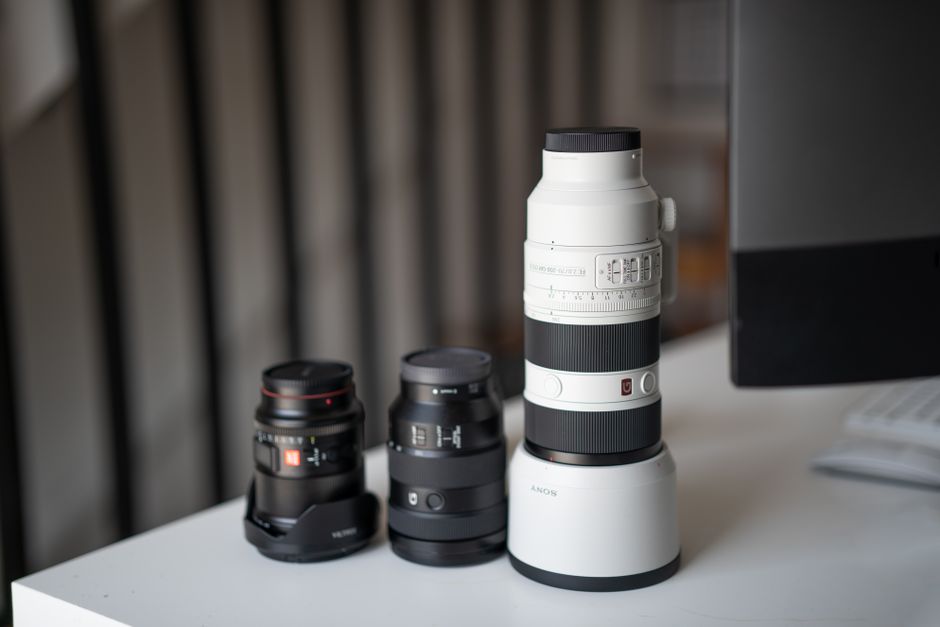
Take ergonomics and menu systems, for instance. A camera can have the best autofocus tracking algorithm known to humanity, but if the joystick feels like a mushy toothpick and the menus require a computer science degree, it’s garbage for fast-moving photojournalism. Call that out. Make it punchy. Make it visceral.
The Autofocus Reality Check
Stop quoting manufacturer claims about eye-tracking milliseconds. Trust me on this: test the autofocus in backlit, dusty, miserable conditions. Does it hunt when a subject walks under a dim streetlamp? Can it track a hyperactive toddler running straight at the lens? That is the information that pushes a reader from “just browsing” to clicking your buy button.
Low-Light Performance and Dynamic Range
Specs lie; raw files don’t. When comparing high ISO noise performance, talk about shadow recovery in Lightroom. Can you pull detail out of a crushed black evening sky without turning the image into a watercolor mess? Use industry authorities like Digital Camera World to benchmark baseline sensor data, but always add your contextual, boots-on-the-ground interpretation.
Strategic Affiliate Placement Without Being Sleazy
If you cram an Amazon link into every single paragraph, your conversion rate will flatline. Readers hate feeling marketed to. However, they love clear recommendations when they are paralyzed by choice.
Use the “Winner for X” approach. Instead of declaring one camera outright better, crown a winner for specific use cases:
- “If you shoot fast-paced sports and need zero viewfinder blackout, buy the [Camera A] here.”
- “If your primary focus is cinematic corporate video on a tighter budget, grab the [Camera B] here.”
- “If you’re upgrading from a 10-year-old DSLR and want simplicity, save $500 and get this alternative.”
This nuanced approach reduces buyer remorse, which means fewer product returns and higher long-term affiliate earnings. It positions you as an expert consultant rather than a pushy salesperson.
Frequently Asked Questions
How long should a comprehensive camera comparison post be?
Length should follow depth, but high-converting gear comparisons typically run between 1,500 and 2,500 words. You need enough space to cover ergonomics, autofocus real-world tests, lens ecosystem costs, and definitive buyer recommendations without fluff.
Should I include affiliate links for out-of-stock cameras?
No. Sending high-intent buyers to a dead product page kills your conversion rate instantly. Always check stock availability or link to trusted retailers that offer pre-order options and reliable used gear alternatives.
How do I make my camera reviews stand out against massive review sites?
Inject human noise and specialized niche angles. Big tech blogs write for search engines; you should write for a specific type of shooter. Share personal gripes, mention annoying quirks manufacturers refuse to fix, and use real-world scenarios rather than sterile lab tests.
Is it better to compare two cameras or three?
Stick to a direct head-to-head (Camera A vs. Camera B) whenever possible. Adding a third option often causes analysis paralysis, which is the absolute enemy of conversions. If you must include a third, position it clearly as the “budget spoiler” or the “heavyweight alternative.”