
Step-by-step Guide to Respecting Privacy and Filming Etiquette in Public Spaces Guide
I’ve seen it happen a hundred times. A kid with a ring light and a microphone steps onto a crowded subway platform, shoves a camera into a stranger’s face for “content,” and acts genuinely shocked when things go sideways. Look, I’ve spent years behind a lens. I’ve covered riots, red carpets, and quiet alleyways at 3 AM. Trust me on this: just because you legally can point a camera at someone in public doesn’t mean you should. Here’s the ugly truth about public filming—the law gives you a lot of freedom, but human decency requires a whole lot more. Let’s break down how to capture what you need without turning into public enemy number one.
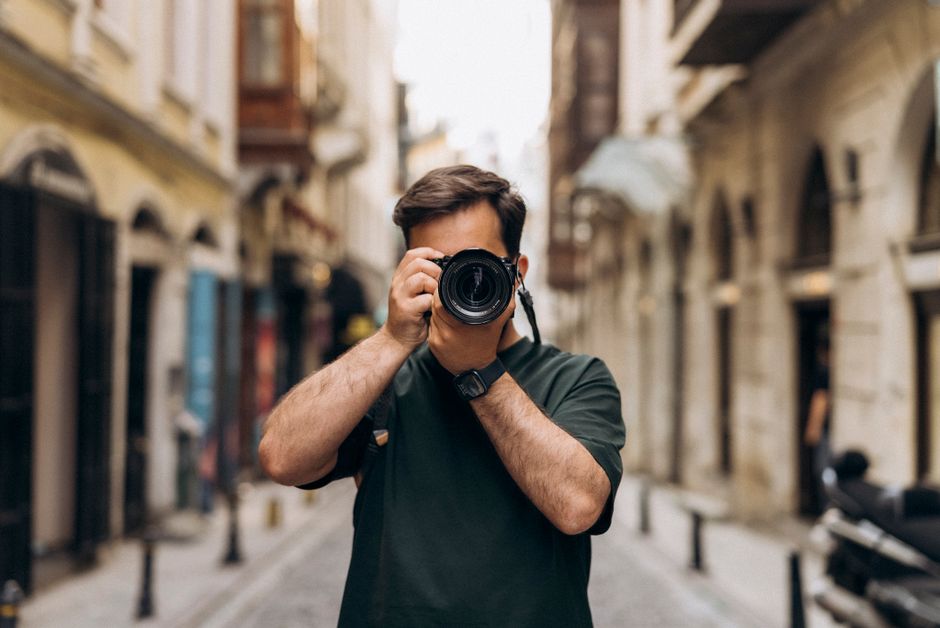
- • Know the Baseline: Where the Law Actually Draws the Line
- • The 4-Step Framework for Ethical Public Filming
- ↳ Step 1: Scope the Environment and Read the Room
- ↳ Step 2: Master the Art of the Pre-Emptive Nod
- ↳ Step 3: Distance, Lenses, and Non-Verbal De-escalation
- ↳ Step 4: Post-Production Courtesy and Face Blurring
- • Common Public Filming Mistakes That Destroy Trust
- ↳ Can I legally film police officers in public spaces?
- ↳ What should I do if a private security guard tells me to stop filming?
- ↳ Do I need a signed model release for people in my street photography?
- ↳ How do I handle an aggressive stranger who demands I delete my footage?
Key Takeaways & Quick Overview
AI Verified
- ✔Step-by-step guide to respecting privacy and filming etiquette in public spaces guide i’ve seen it happen a hundred times.
- ✔A kid with a ring light and a microphone steps onto a crowded subway platform, shoves a camera into a stranger’s face for “content,” and acts genuinely shocked when things go sideways.
- ✔Look, i’ve spent years behind a lens.
- ✔I’ve covered riots, red carpets, and quiet alleyways at 3 am.
Know the Baseline: Where the Law Actually Draws the Line
Before we talk about manners, we need to talk about boundaries. Real boundaries. Not the ones people make up when they’re annoyed you’re recording them. In most Western jurisdictions, if you are standing in a genuinely public space—like a sidewalk, a public park, or a municipal plaza—you have a First Amendment right (or local equivalent) to record what’s in plain sight. You can film buildings, police officers, and random passersby.
According to the American Civil Liberties Union photographer rights overview, police cannot force you to delete footage or confiscate your gear without a warrant just because you filmed them in public. But here is where creators mess up. The moment you step onto private property—a shopping mall, a restaurant, or an apartment building lobby—that public right vanishes. Private property owners can set their own rules. They can ask you to leave, and if you refuse, you’re trespassing. Period.
The 4-Step Framework for Ethical Public Filming
Legality is just the baseline. If you want to shoot without getting yelled at, threatened, or dragged into a viral argument, you need a system. I use a strict four-step filter before I hit record anywhere crowded.
Step 1: Scope the Environment and Read the Room
You cannot film effectively while staring entirely at a viewfinder or a smartphone screen. Look up. Look around. Are people rushing to catch trains? Are you standing outside a hospital, a school, or a courthouse where people are dealing with genuinely heavy, private moments? Read the room. If the energy is tense, put the heavy gear away. If you must shoot, use a smaller setup like a pocket-sized compact camera or a phone without a massive external microphone rig screaming for attention.
Step 2: Master the Art of the Pre-Emptive Nod
Silence feels aggressive. When a lens suddenly swings toward someone, their fight-or-flight response kicks in. Want to bypass that entirely? Make eye contact. Give them a quick nod or hold up your camera with an inquiring, friendly expression. Most people won’t object if you acknowledge their humanity first. If someone actively shakes their head, waves their hand, or walks away, you pivot. You don’t argue. You don’t lecture them about public photography laws. You just let them be.
Step 3: Distance, Lenses, and Non-Verbal De-escalation
Stop shoving macro lenses or wide-angle setups two feet away from strangers. If you want candid street footage, invest in a decent telephoto lens or stand further back and crop in post. Proximity breeds paranoia. If someone does confront you, lower your camera immediately. Step back. Keep your voice flat, calm, and conversational. The Electronic Frontier Foundation guide on public recording offers great insights into citizen rights, but arguing case law with an angry pedestrian in a parking lot has never de-escalated a single situation in human history.
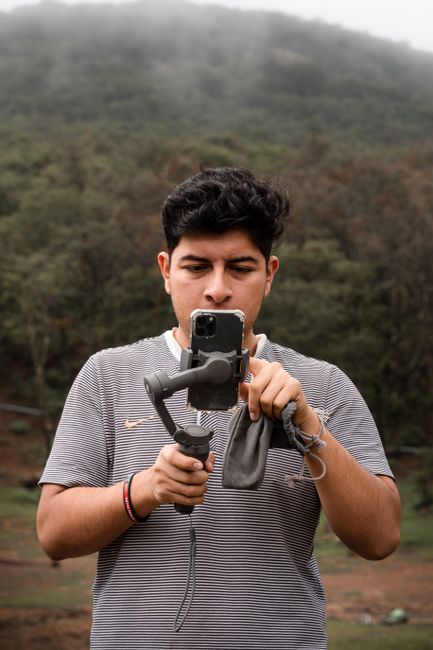
Step 4: Post-Production Courtesy and Face Blurring
Sometimes you capture incredible street ambiance, but right in the center of the frame is a bystander who clearly didn’t want to be part of your project. This is where editing ethics come in. If someone is the focal point of your video—especially if you’re monetizing the content or using it for commercial purposes—you either need a signed model release or you need to do the work. Blur the faces. Crop them out. Respecting privacy doesn’t stop when you hit the stop button on your camera; it extends all the way through the editing suite.
Common Public Filming Mistakes That Destroy Trust
I’ve watched rookie creators implode their reputations overnight because of basic etiquette failures. Avoid these three traps if you want to keep your dignity and your gear intact:
- Blocking transit paths: Setting up a tripod right in the middle of a narrow subway stairwell or a busy coffee shop doorway isn’t just rude—it’s dangerous. Always stay out of the flow of traffic.
- Ignoring children and vulnerable populations: Filming kids who are not your own without parental consent is a massive social red flag. Even if legally permissible in some outdoor contexts, the ethical toll is simply too high. Don’t do it.
- Acting entitled when confronted: Pulling out a phone and screaming, “It’s a public space, I can film whatever I want!” makes you look like a clown. Be a professional. Apologize for startling them, explain what you’re doing if appropriate, and move on.
Frequently Asked Questions
Can I legally film police officers in public spaces?
Yes, in most jurisdictions, you have a clear constitutional or legal right to record police officers performing their duties in public spaces, provided you do not physically interfere with their work or breach active safety cordons.
What should I do if a private security guard tells me to stop filming?
First, verify if you are actually on private property (malls, theme parks, private office plazas). If you are, private entities have the right to set rules and can ask you to leave. If you refuse to leave private property after being asked, you can be cited for trespassing. Compliance is usually the smartest immediate play.
Do I need a signed model release for people in my street photography?
It depends on how you use the media. If you are publishing art, editorial work, or journalistic content, a release is rarely legally required for public-space captures. However, if you plan to use someone’s likeness for advertising, merchandising, or commercial product endorsement, a signed model release is legally mandatory.
How do I handle an aggressive stranger who demands I delete my footage?
Never escalate. Lower your camera, step back, and calmly explain that you are working on a project or documenting the street scene. If they remain aggressive or threaten physical violence, prioritize your safety above the footage. Walk away, get into a well-lit public area, or seek assistance.