
Step-by-step Guide: Structuring a 10-minute Daily Vlog for Maximum Retention Guide
Most daily vlogs fail within the first fifteen seconds. I’ve watched hundreds of creator channels bleed subscribers because they treat a 10-minute video like an unfiltered home video diary instead of a broadcast-quality narrative. Here’s the ugly truth: nobody cares about your morning coffee unless you make them care. I’ve spent the last six years dissecting audience retention graphs, talking to platform engineers, and editing footage until my eyes crossed. If you want viewers to stay past the minute-two mark, you need an ironclad architecture. Let’s break down the exact minute-by-minute blueprint I use to engineer high-retention vlogs that actually convert casual clickers into loyal fans.

- • The 45-Second Trap: How to Stop the Scroll Immediately
- • Act One (Minutes 1:00 to 3:00): Establishing the Daily Conflict
- • Act Two (Minutes 3:00 to 7:00): The Valley of Engagement and Pattern Interrupts
- • Act Three (Minutes 7:00 to 9:30): Payoff and Emotional Resonance
- • The Outro (Minutes 9:30 to 10:00): Avoiding the Hard Exit
- ↳ Why is my audience retention always dropping off at the 30-second mark?
- ↳ Is 10 minutes the absolute best length for a daily vlog?
- ↳ How often should I use pattern interrupts in my edit?
- ↳ Should I script my daily vlogs or keep them completely improvised?
Key Takeaways & Quick Overview
AI Verified
- ✔Step-by-step guide: structuring a 10-minute daily vlog for maximum retention guide most daily vlogs fail within the first fifteen seconds.
- ✔I’ve watched hundreds of creator channels bleed subscribers because they treat a 10-minute video like an unfiltered home video diary instead of a broadcast-quality narrative.
- ✔Here’s the ugly truth: nobody cares about your morning coffee unless you make them care.
- ✔I’ve spent the last six years dissecting audience retention graphs, talking to platform engineers, and editing footage until my eyes crossed.
The 45-Second Trap: How to Stop the Scroll Immediately
Forget the old-school intro sequence with the booming techno music and your channel name bouncing around the screen. Delete it. It’s an instant drop-off magnet. According to insights from the YouTube Creator Academy, the human attention span online is brutally short, and you have less than a blink to justify their click.
Start in media res. Drop the viewer right into the middle of the day’s highest-stakes moment. Did your car break down on the way to an important meeting? Did you almost burn your kitchen down? Show that exact frame at 0:00. Then, cut to black or a hard whip-pan, and pull back to the morning setup. This is called the “flash-forward hook.”
- Keep the movement high: No static talking heads in the opening 30 seconds.
- Tease the resolution: Make a silent promise to the viewer that the chaos shown in the first five seconds will be resolved by the end of the video.
- Cut the fluff: Never start with “Hey guys, welcome back to the channel.” Say it with your chest: start with the action.
Act One (Minutes 1:00 to 3:00): Establishing the Daily Conflict
Once you’ve trapped them with the hook, you need to establish normalcy before you shatter it. This is where most lifestyle vloggers lose the plot. They spend three minutes walking around their apartment brushing their teeth in agonizing real-time. Don’t do that. Compress a thirty-minute morning routine into a hyper-stylized twelve-second montage.
Every single day needs a micro-goal. Even if you’re just staying home to work on editing, your goal is finishing a notoriously difficult project before a tight deadline. Give the audience an antagonist—even if it’s just a broken piece of gear or a severe lack of caffeine. Reference creators like PewDiePie or Casey Neistat who mastered the art of manufacturing momentum out of mundane tasks. They never just “exist” on camera; they are always chasing an objective.
Act Two (Minutes 3:00 to 7:00): The Valley of Engagement and Pattern Interrupts
This is where the retention graph usually takes a steep dive. The initial excitement of the hook has worn off, and the climax is still a few minutes away. To survive this danger zone, you have to weaponize pattern interrupts.
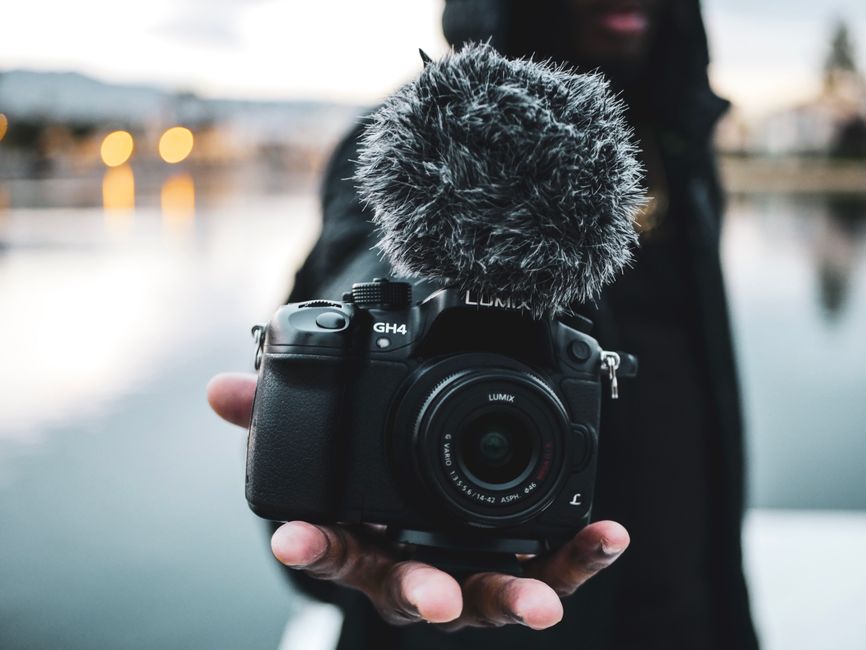
A pattern interrupt is any visual or audio shift that resets the viewer’s brain before they click away. Change your camera angle every 4 to 6 seconds. Drop in a sound effect. Cut to a surreal graphic. Switch from speaking into the main vlogging rig to a voiceover while showing B-roll of your hands typing or the street outside your window.
I’ve noticed that creators often get lazy in the middle. They ramble about their feelings without showing anything new. If you are talking to the lens for more than forty-five seconds straight without a cut-away, you are begging people to close the tab. Keep the scene moving. Introduce a secondary storyline or a minor complication to keep the narrative afloat.
Act Three (Minutes 7:00 to 9:30): Payoff and Emotional Resonance
The chicken has come home to roost. Remember that crisis you teased in the opening 45 seconds? This is where it pays off. If the hook promised a confrontation with a difficult client, show the meeting happening. If it promised a disaster in the kitchen, show the smoke clearing.
Do not drag this part out. Once the conflict resolves, the energy naturally drops. Let the viewer exhale. This is the ideal spot for a quiet, reflective moment. Walk away from the chaotic office environment. Sit in your car, or take a walk in the evening air. Talk directly to the camera about what the day actually taught you.
Authenticity lives in the quiet moments right after the storm. If you rush through the ending, the video feels hollow. Give the audience two minutes to decompress with you, building a genuine parasocial bond that makes them hit the subscribe button.
The Outro (Minutes 9:30 to 10:00): Avoiding the Hard Exit
Never say “So yeah, that’s gonna be it for today’s video, make sure to like and subscribe.” It’s a cue for the viewer to violently slam their mouse onto the close button. Instead, build your call-to-action directly into the narrative wrap-up.
Drop a cliffhanger for tomorrow’s vlog while the final cinematic montage rolls. Ask a specific, divisive question in your final sentence—something that forces them to head down to the comment section to argue with each other. Engagement feeds the algorithm, but community keeps you afloat.
Frequently Asked Questions
Why is my audience retention always dropping off at the 30-second mark?
You probably started your video with a slow intro, a channel logo animation, or a boring greeting. Cut the intro entirely. Start your video with the most dramatic or interesting scene of the day, then loop back.
Is 10 minutes the absolute best length for a daily vlog?
Ten minutes is the sweet spot for mid-roll ads and algorithmic pacing, but never pad your runtime with fluff just to hit an arbitrary goal. If your story runs out of steam at 7 minutes, cut it off. Quality always beats arbitrary runtime.
How often should I use pattern interrupts in my edit?
As a rule of thumb, change your visual stimulus—whether through a zoom, a B-roll cut, a sound effect, or an angle change—every 4 to 6 seconds. This resets the viewer’s attention span before boredom sets in.
Should I script my daily vlogs or keep them completely improvised?
Never script word-for-word, but always outline your beats before you pick up the camera. Know your inciting incident, your midpoint complication, and your climax before you even step out of your front door.