
Step-by-step Guide: Finding Public Filming Laws and Filming Permits in the UK Guide
I’ve lost count of the number of times I’ve watched a panicked indie filmmaker get their gear seized on a damp London sidewalk because they mistook “public space” for “free-for-all.” Here’s the ugly truth: walking around the UK with a camera and a tripod without knowing the legal landscape is basically playing professional roulette. One minute you’re framing up a sweeping shot of a historic Victorian arcade, and the next, a private security guard or an overzealous local enforcement officer is breathing down your neck, demanding to see your paperwork.
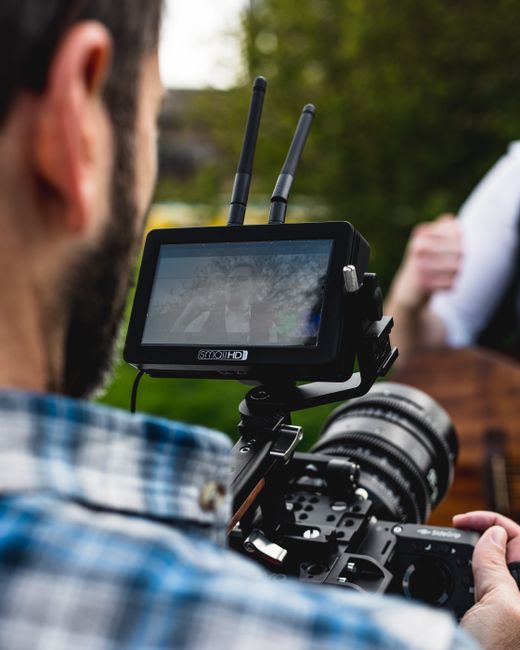
Trust me on this: the British legal system doesn’t care about your passion project. It cares about bylaws, highway obstruction, and copyright boundaries. If you want to shoot your documentary, commercial, or narrative film across the UK without getting slapped with a hefty fine or having your footage deleted, you need a system. Let’s break down the exact, no-nonsense roadmap to finding public filming laws and securing your permits the right way.
- • The Great UK Public Filming Myth: Where Can You Actually Shoot?
- • Step 1: Identify the Local Authority and Territorial Jurisdiction
- • Step 2: Decode When You Actually Need a Permit (And When You Don’t)
- • Step 3: Navigating Parking Suspensions and Road Closures
- • Step 4: Public Liability Insurance (PLI) – Your Non-Negotiable Shield
- • FAQ: UK Public Filming and Permits Answered
- ↳ Can the police stop me from filming in public in the UK?
- ↳ Do I need permission to film recognizable people in public?
- ↳ How far in advance should I apply for a UK council filming permit?
Key Takeaways & Quick Overview
AI Verified
- ✔Step-by-step guide: finding public filming laws and filming permits in the uk guide i’ve lost count of the number of times i’ve watched a panicked indie filmmaker get their gear seized on a damp london sidewalk because they mistook “public space” for “free-for-all.
- ✔” here’s the ugly truth: walking around the uk with a camera and a tripod without knowing the legal landscape is basically playing professional roulette.
- ✔One minute you’re framing up a sweeping shot of a historic victorian arcade, and the next, a private security guard or an overzealous local enforcement officer is breathing down your neck, demanding to see your paperwork.
- ✔Navigating uk public spaces requires knowing the exact boundary between freedom of expression and local bylaws.
The Great UK Public Filming Myth: Where Can You Actually Shoot?
Let’s clear the air right now. There is no such thing as a general “freedom to film” law in the UK that overrides private property rights or local municipal bylaws. Yes, generally speaking, if you are standing on a truly public highway—meaning a pavement or street maintained at public expense—you are allowed to take photos and shoot video. But that right comes with massive asterisks.
The moment you drop a C-stand, set up a lighting umbrella, or block pedestrian flow, you are no longer just a person with a camera. You are technically causing an obstruction on the highway under the Highways Act 1980. Local authorities jump on this faster than you can say “rolling.” Furthermore, places that look public—like Westfield shopping centers, King’s Cross station plazas, or the Southbank—are actually privately owned. They operate under private trespass laws. Security guards there can tell you to leave simply because they don’t like the color of your jacket.
To keep yourself out of legal hot water, always cross-reference your location plans with official Crown Copyright guidance on public rights of way to understand the exact boundaries of public access land.
Step 1: Identify the Local Authority and Territorial Jurisdiction
You cannot just Google “UK filming permit” and expect a single portal. The UK’s bureaucratic structure is a tangled web of London boroughs, unitary authorities, county councils, and district councils. If you are shooting across a street that divides Westminster and Camden, congratulations—you now have to deal with two completely different sets of fees, application windows, and noise restrictions.
Start your process by dropping your intended address into the official government portal to find the correct local council. Once you have identified them, dig past their main homepage. You are looking for their “Film Office” or “Creative Industries” department. Larger cities like Manchester, Liverpool, and Bristol have dedicated film offices that practically roll out the red carpet. Smaller rural councils? They might have one overworked clerk who handles everything from dog licensing to cinematic road closures.

When you contact them, do not ask, “Can I film?” That’s amateur hour. Instead, state your exact dates, times, crew size, and equipment profile. Be specific. Councils love specifics because it lets them calculate risk and, more importantly, invoice you.
Step 2: Decode When You Actually Need a Permit (And When You Don’t)
Let’s save you some money. You do not always need a permit. If you are rolling with a handheld DSLR or mirrorless camera, a single shooter, and no tripod or bulky audio gear, you are what the industry calls “run-and-gun.” In 90% of public council spaces, this requires zero permissions.
However, the moment you cross any of these three thresholds, you are in permit territory:
- Tripods and stands: Anything that touches the pavement and restricts pedestrian movement.
- Lighting and grip: Reflectors, LED panels on stands, or diffusion flags.
- Crew size: Usually, anything over 3 to 5 people draws immediate attention from local authorities or private estate management.
If you’re planning a massive shoot in the capital, it pays to consult official frameworks like the London Filming Partnership guidelines, which outline standard protocols for working across different London boroughs without tripping over bureaucratic red tape.
Step 3: Navigating Parking Suspensions and Road Closures
Here is where most independent productions crash and burn. You might secure a filming permit for a pavement, but where are you putting your grip truck? If you think you can just park a Luton van on a double yellow line while you unload cine gear, prepare for a swift parking fine and a towed vehicle.
Securing a parking suspension is an entirely separate bureaucratic beast from getting a filming permit. You typically need to apply at least 10 to 14 business days in advance. The council has to put up physical notices on lampposts days prior to warn local residents and motorists. The costs add up fast, too—councils charge per bay, per day, alongside administrative fees. Factor this into your budget early, or watch your production funds evaporate into penalty charge notices.
Step 4: Public Liability Insurance (PLI) – Your Non-Negotiable Shield
Try applying for a council permit without Public Liability Insurance, and watch your application get thrown straight into the digital shredder. No UK local authority will grant you access to public highways or council-owned estates if you cannot prove you are covered.
Most UK councils require a minimum of £5 million to £10 million in Public Liability Insurance. If you are filming internationally, ensure your policy covers international productions working within the UK. It’s an upfront cost, yes, but it’s the price of admission if you want to operate above board.
FAQ: UK Public Filming and Permits Answered
Can the police stop me from filming in public in the UK?
Generally, no. Under UK law, there is no blanket prohibition against filming people or buildings in public spaces. However, police officers can stop and question you under counter-terrorism legislation (such as Section 44/47A equivalents or Section 58 of the Terrorism Act) if they suspect your photography or videography is being used to gather information for terrorist acts. Always remain calm, cooperate professionally, and show your ID if requested.
Do I need permission to film recognizable people in public?
In the UK, there is no statutory “right to privacy” in public places that prevents you from taking someone’s photograph or video. You do not legally need a model release for street footage shot in a genuinely public space. However, if you plan to use that footage for commercial advertising, endorsement, or in a defamatory context, you open yourself up to potential civil lawsuits for passing off, breach of data protection (GDPR considerations), or defamation.
How far in advance should I apply for a UK council filming permit?
For a basic handheld or small-footprint shoot requiring standard council clearance, give yourself at least 5 to 7 working days. If your production involves road closures, parking bays, stunt work, or a large crew, you should submit your application a minimum of 3 to 4 weeks in advance. Major cities often have strict lead times that cannot be rushed, no matter how much you beg.