
Simple Ways to Store and Organize Vlogging Gear in Small Uk Apartments Guide
I’ve noticed a disturbing trend in the UK vlogging community. Creators drop thousands of pounds on Sony FX3s, anamorphic lenses, and wireless shotgun mics, only to dump the entire kit into a damp hallway plastic bag. Then wonder why their gear smells like old Curry’s cardboard. Here’s the ugly truth: British flats are small. Really small. According to UK property size statistics, new builds in England are some of the most compact in Western Europe. If you live in a Victorian terrace conversion in London or a modern shoebox apartment in Manchester, square footage is worth its weight in gold. Trust me on this—tripping over a carbon-fiber tripod in the dark while trying to make a 6:00 AM tea will test your sanity. Let’s fix your disaster of a studio setup before your partner threatens to list your primary lens on eBay.
- • The Vertical Takeover: Reclaiming Floor Space in Compact UK Flats
- • Modular Pelican Cases vs. Open-Air Display: What Actually Survives a British Winter?
- • The "Grab-and-Go" Bento Box Strategy for Rapid Deployment
- • Under-Bed and Dead-Zone Exploitation for Secret Storage
- • Cable Management Cures for Small-Room Insanity
- ↳ How do I stop my camera lenses from getting moldy in a damp UK apartment?
- ↳ What are the best renter-friendly wall storage solutions for heavy gear?
- ↳ How can I organize cables so they don't clutter my small studio?
- ↳ Where should I store heavy lighting gear in a small flat?
Key Takeaways & Quick Overview
AI Verified
- ✔Simple ways to store and organize vlogging gear in small uk apartments guide i’ve noticed a disturbing trend in the uk vlogging community.
- ✔Creators drop thousands of pounds on sony fx3s, anamorphic lenses, and wireless shotgun mics, only to dump the entire kit into a damp hallway plastic bag.
- ✔Then wonder why their gear smells like old curry’s cardboard.
- ✔Here’s the ugly truth: british flats are small.
The Vertical Takeover: Reclaiming Floor Space in Compact UK Flats
Floor space is a luxury you do not have. Stop putting your light stands, softboxes, and C-stands directly on the floor where they can act as expensive landmines. Look up. Your walls are practically begging for attention. I’ve seen creators rent a £1,500-a-month studio flat and waste 30% of the bedroom floor on haphazard gear piles. Don’t be that person. Install heavy-duty French cleats or pegboards. Metal pegboards—like the ones from Multiboard or Wall Control—can handle the weight of heavy cinema rigs, cages, and battery banks without tearing out of fragile plasterboard.
When you’re dealing with lath-and-plaster or modern dry-lined walls in a rented UK property, finding studs is an extreme sport. Use heavy-duty toggle anchors if you’re drilling into plasterboard. Hang your key lights high. Mount your grip gear vertically. By shifting everything off the floor, you suddenly reclaim room to actually move around your camera. Ergonomics matter, and following basic RSI prevention guidelines starts with not hunching over cramped storage bins on the floor every time you need a hex key.
Modular Pelican Cases vs. Open-Air Display: What Actually Survives a British Winter?
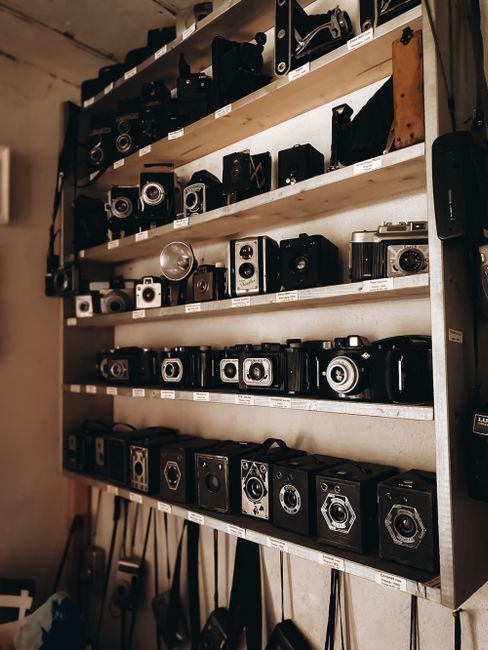
Humidity is the silent killer of glass. If your flat experiences that classic UK winter dampness—where condensation forms on the inside of single-pane windows—leaving your prized glass sitting exposed on an open bookshelf is financial suicide. Fungus loves coated camera elements. It eats lens coatings for breakfast.
You have two choices: go fully sealed or go active-dry. Modular hard cases, such as Apache cases from Harbor Freight or genuine Pelican alternatives, keep moisture out if paired with industrial silica gel packs. Throw a few rechargeable dehumidifier blocks into your storage bins and change them monthly. If you prefer the open-air aesthetic because it looks good in background shots of your talking-head videos, invest in a small electronic dry cabinet. They consume minimal electricity, maintain a constant 40% relative humidity, and stop mold from ruining your expensive glass before you can pay off your Klarna balance.
The “Grab-and-Go” Bento Box Strategy for Rapid Deployment
You procrastinate filming because setup takes too long. I know your game. You spend forty minutes untangling XLR cables, hunting down lost SD card readers, and searching for the right USB-C power brick. By the time the camera is rolling, you’re mentally exhausted.
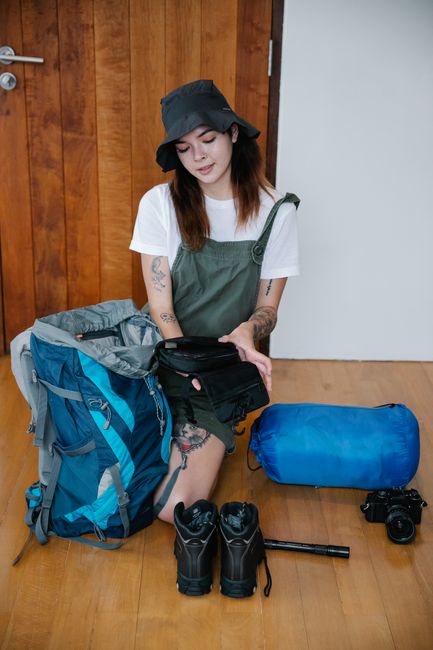
The fix? Stop storing your gear by category (all mics together, all lights together). Start storing it by workflow scenario. Build a “Talking Head Kit” pouch. Build a “B-Roll Run-and-Gun” pouch. Inside each labeled, zippered Cordura pouch, keep the exact camera body, lens, audio transmitter, and dedicated cable needed for that specific job. When inspiration strikes, you grab one bag. No sorting. No missing parts. This bento-box approach cuts your apartment friction down to zero.
Under-Bed and Dead-Zone Exploitation for Secret Storage
Look under your bed right now. Is it full of dust bunnies and half-empty boxes from your last move? Clear it out. The space beneath a standard UK double bed is prime real estate for heavy-duty plastic tubs on caster wheels. Store your backup modifiers, continuous LED panels, and heavy fluid-head tripods down there.
What about the awkward gap between your wardrobe and the wall? Or the vertical space inside your hallway coat closet? Use slim, rolling utility carts. They slide in and out of tight crevices with ease. I keep my entire audio rig—lavaliers, recorders, wind muffs, and backup batteries—in a three-tier rolling cart tucked beside my desk. When I need to record a voiceover, I roll the whole station right into position. When I’m done, it disappears.
Cable Management Cures for Small-Room Insanity
Cables multiply when you aren’t looking. It’s science. Leave three XLR cords in a drawer for a week, and they will breed into a Gordian knot of copper and rubber. If your apartment is compact, visible wire clutter instantly makes the entire space look like a crack den.
Ditch the zip ties—they are a nightmare when you need to reconfigure your desk layout. Instead, buy a bulk roll of reusable hook-and-loop cable ties (velcro strips). Coil your cables using the proper over-under technique, secure them, and store them vertically in cheap shoe organizers hung on the inside of your doors. Label every single power brick with a label maker. When you have six identical black USB-C bricks plugged into a surge protector, knowing which one powers your monitor saves you from crawling under a desk with a flashlight in hand.
Frequently Asked Questions
How do I stop my camera lenses from getting moldy in a damp UK apartment?
UK flats—especially older Victorian conversions—suffer from high humidity. To prevent fungus growth, store your glass inside a sealed Pelican-style hard case packed with rechargeable silica gel canisters, or invest in a dedicated electronic dry cabinet. Never store leather straps or damp weather-sealed bags directly against your lens glass.
What are the best renter-friendly wall storage solutions for heavy gear?
Landlords hate big holes. Use heavy-duty toggle anchors (like Snaptoggles) for drywall mounting metal pegboards if you need to hold heavy cinema cameras or lighting modifiers. Alternatively, tension-rod shelving systems and over-the-door organizers require zero drilling while maximizing vertical dead space.
How can I organize cables so they don’t clutter my small studio?
Master the over-under cable coiling method, secure them with reusable hook-and-loop velcro ties, and store them vertically inside over-the-door pocket shoe organizers. Label every single power brick to eliminate guesswork when tearing down your setup.
Where should I store heavy lighting gear in a small flat?
Keep heavy C-stands, softboxes, and sandbags either flat against a wall using heavy-duty locking utility hooks or stored in low-profile rolling bins underneath your bed. Never leave heavy modifiers stacked precariously on top of unstable wardrobes where a minor tremor or draft could tip them over.