
Practical Tips for Capturing Scenic UK Countryside Walks on Camera Guide
I’ve stood knee-deep in Lake District mud at 5:00 AM more times than my joints care to admit. Let’s get one thing straight right out of the gate: most photos of the British countryside look flat, gray, and completely lifeless. Why? Because people treat a rugged, unpredictable rural walk like a tourist postcard factory. They pull out their phones, tap the screen, and wonder why the rolling hills of the Peak District look like a muddy bowling green. Trust me on this—the UK countryside doesn’t hand over its moody, cinematic magic easily. You have to earn it with cold fingers, damp gear, and a solid understanding of how light bounces off wet slate and ancient peat.
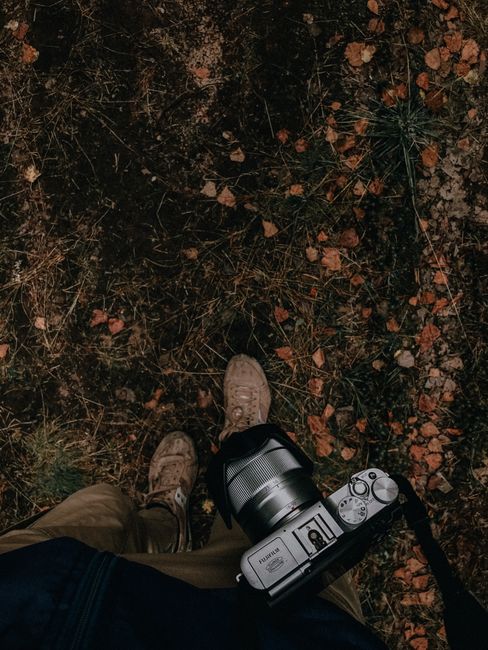
Here’s the ugly truth: your gear matters less than your timing, but your stamina matters more than both. If you want images that actually make people stop scrolling, you need a strategy. We are going to tear up the standard rulebook and look at how to genuinely capture the raw soul of Britain’s footpaths, stiles, and dramatic horizons.
- • Reading the British Sky: Weather, Light, and Muggy Mist
- • Composition Secrets for Stile-Lined Trails and Dry Stone Walls
- • Lightweight Gear Discipline for Long-Distance Treks
- • Post-Processing: Keeping It Real
- ↳ What is the best camera gear for hiking the UK countryside?
- ↳ How do I shoot landscapes on overcast and rainy days?
- ↳ Why do my countryside photos look flat and boring?
- ↳ Should I use a tripod during a long countryside walk?
Key Takeaways & Quick Overview
AI Verified
- ✔Practical tips for capturing scenic uk countryside walks on camera guide i’ve stood knee-deep in lake district mud at 5:00 am more times than my joints care to admit.
- ✔Let’s get one thing straight right out of the gate: most photos of the british countryside look flat, gray, and completely lifeless.
- ✔Why? because people treat a rugged, unpredictable rural walk like a tourist postcard factory.
- ✔They pull out their phones, tap the screen, and wonder why the rolling hills of the peak district look like a muddy bowling green.
Reading the British Sky: Weather, Light, and Muggy Mist
If you wait for a bright, sunny blue-sky day to go shooting in the UK, you’re going to spend most of the year sitting indoors. British weather is famously stubborn, and that is your biggest advantage. Overcast days act like a massive, rolling softbox. That diffused light is phenomenal for capturing the rich, saturated greens of bracken and the dark, moody textures of weathered limestone.
I’ve noticed that many beginners pack up the second the drizzle starts. Big mistake. The hour right after a heavy downpour—when the clouds begin to break and steam rises off the damp tarmac and grass—is absolute gold. The contrast spikes. Colors pop. Puddles on ancient drovers’ roads turn into natural mirrors reflecting dramatic cloud formations.
Keep a close eye on shifts in the atmosphere. Use reliable local forecasting tools like the Met Office weather forecasting services to track frontal systems rolling in from the Atlantic. Those fast-moving fronts create the kind of dynamic, side-lit landscapes that turn an ordinary snap into a frame-worthy piece of documentary art.
Composition Secrets for Stile-Lined Trails and Dry Stone Walls
You’re walking the South West Coast Path or cutting through the Yorkshire Dales. Everywhere you look, there’s a zig-zagging dry stone wall or a weathered wooden gate. How do you shoot them without making it look like a real estate brochure?
Never center your horizon unless you are going for a strict, symmetrical documentary look. Use the classic rule of thirds, but be ready to break it. Place your foreground anchor—a rusted iron latch on a kissing gate, or a cluster of damp sheep skulls by a boundary marker—close to the lens. This creates an immediate sense of depth. Your viewer shouldn’t just look at the landscape; they should feel like they are stepping right onto the gravel path beside you.
Look for leading lines. Old packhorse bridges, sunken lanes carved deep into the chalk downs by centuries of cartwheels, and overgrown hedgerows naturally draw the human eye straight into the frame. If you’re mapping out complex routes with varying elevation changes, cross-reference your visual spots using Ordnance Survey mapping tools to find old trackways and historical rights of way before you even lace up your boots.
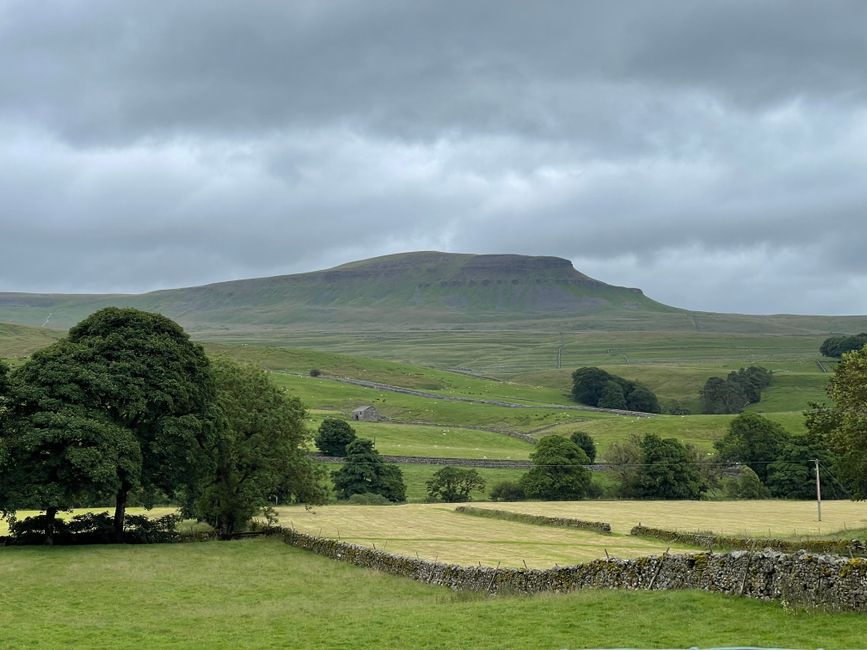
Scale is another massive hurdle. That looming mountain peak in Snowdonia or the Brecon Beacons will often look like a tiny molehill on a camera sensor unless you give it context. Drop a human element into the middle distance—a fellow walker in a bright orange or yellow waterproof jacket—to instantly communicate the sheer scale of the British wilderness.
Lightweight Gear Discipline for Long-Distance Treks
Carrying a heavy pelican case packed with three prime lenses and a massive carbon-fiber tripod across a twelve-mile moorland hike is a fantastic way to ruin your day. By mile eight, your lower back will scream, your shoulders will lock up, and you’ll start taking lazy, poorly composed shots just to get back to the car.
Pack smart. Go lean. You need one reliable camera body, a versatile zoom lens (something like a 24-70mm or a rugged 18-135mm), and a circular polarizing filter. That polarizer is non-negotiable. It cuts the glare off wet leaves, deepens the blue in stubborn patches of sky, and reveals the hidden textures in slate roofs and rock faces.
Weather-sealing is more important than megapixel counts. British weather changes in a heartbeat. One minute you’re sweating under a blazing sun, and the next you’re dodging horizontal hail on an exposed ridge in Scotland. Keep a microfiber cloth in an easily accessible pocket because lens spray will happen. Embrace it, wipe it, and keep shooting.
Post-Processing: Keeping It Real
Let’s talk about editing. Step away from the saturation slider. Please. We’ve all seen those over-baked Instagram photos where the grass looks radioactive and the skies are bruised an unnatural, neon purple. That isn’t the UK countryside; that’s a sci-fi movie.
Keep your processing grounded in reality. Focus on local adjustments rather than global sledgehammers. Bring down the highlights in bright, overcast skies to pull back cloud detail. Gently lift the shadows in the foreground woods to hint at the complexity underneath the canopy without turning night into day. Subtlety wins every single time. Realism has grit, and grit builds trust with your audience.
Frequently Asked Questions
What is the best camera gear for hiking the UK countryside?
Keep it light and weather-sealed. A mirrorless camera paired with a versatile 24-70mm zoom lens and a circular polarizer will cover 90% of your landscape needs without breaking your back on long trails.
How do I shoot landscapes on overcast and rainy days?
Lean into the mood. Overcast skies provide natural diffusion, eliminating harsh shadows. Focus on wet textures, vibrant saturated greens, and dramatic post-rain mist rather than searching for blue skies.
Why do my countryside photos look flat and boring?
Usually, it’s a lack of foreground interest and poor lighting. Avoid shooting under harsh midday sun. Instead, look for side-lighting during golden hour or use physical elements like gates, stones, and paths to create depth.
Should I use a tripod during a long countryside walk?
Only if you are shooting during blue hour, sunrise, or long exposures of moving water like streams and waterfalls. For fast-paced walking and dynamic weather, a lightweight handheld setup often wins for agility.