
Simple Ways to Store and Organize Vlogging Gear in Small Uk Apartments Guide
I’ve tripped over a C-stand in a hallway the width of a broom handle. It sucks. If you’re shooting content out of a cramped Victorian conversion in Zone 2 London or a shoebox flat in Manchester, you already know the brutal reality. UK Property Data routinely confirms what we feel in our bones: our living spaces are shrinking. Yet, somehow, your gear list keeps multiplying. A second camera body here, a couple of wireless lav mics there, and suddenly your living room looks like a camera rental house exploded. Here’s the ugly truth: traditional gear bags and giant Pelican cases don’t work when your entire bedroom is barely wider than your mattress. You need a system. Let’s fix that.

- • The Vertical Takeover: Why Floor Space is a Trap
- • Concealment Architecture: Furniture That Pulls Double Duty
- • Battling the British Damp: Protecting Electronics in Older Flats
- ↳ Cable Management Without Losing Your Mind
- • Rotating Your Kit: The Seasonal Gear Rotation Strategy
- ↳ How do I store camera gear safely in a rented UK flat without drilling holes?
- ↳ What is the best way to stop camera lenses from getting moldy in damp UK weather?
- ↳ How can I hide bulky studio lighting gear in a small living room?
- ↳ Are Pelican cases worth it for small apartment storage?
Key Takeaways & Quick Overview
AI Verified
- ✔Simple ways to store and organize vlogging gear in small uk apartments guide i’ve tripped over a c-stand in a hallway the width of a broom handle.
- ✔If you’re shooting content out of a cramped victorian conversion in zone 2 london or a shoebox flat in manchester, you already know the brutal reality.
- ✔Uk property data routinely confirms what we feel in our bones: our living spaces are shrinking.
- ✔Yet, somehow, your gear list keeps multiplying.
The Vertical Takeover: Why Floor Space is a Trap
Stop putting things on the floor. Seriously. In a British apartment—where every square foot comes at an extortionate price—floor space is sacred. When I started out, my tripod lived behind the sofa. Bad move. It kicked out every time I walked past in the dark. Now? Everything goes up.
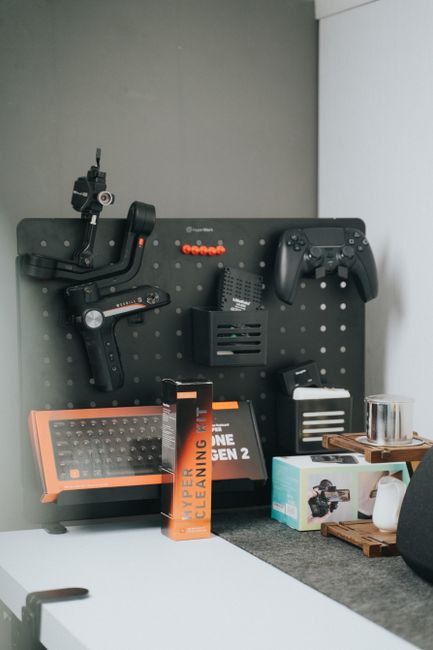
Look at your walls. They are practically begging to hold your gear. Wall-mounted pegboards are an absolute game-changer for content creators. You can pick up a heavy-duty steel or birch plywood pegboard from a local hardware store, slap it onto a stud (or use heavy plaster anchors if you’re renting and feeling brave), and suddenly your entire audio and lighting kit is visible, accessible, and completely off the ground.
Hang your boom arms, coil your XLR cables using proper over-under technique, and clip your LED panels right onto the hooks. Not only does this keep your gear from getting crushed under furniture, but it also looks surprisingly aesthetic on camera if a corner of it sneaks into your background blur.
Concealment Architecture: Furniture That Pulls Double Duty
Landlords hate permanent modifications. Security deposits are sacred. That means you need storage solutions that masquerade as regular home furnishings. If a piece of furniture doesn’t do at least two jobs, throw it out.
I swear by storage ottomans at the foot of the bed. They look like minimalist benches where you sit to pull on your Chelsea boots, but pop the lid off, and you’ve got a cavernous void that easily swallows three softboxes, a slider, and a dozen spare batteries. Line the interior with soft packing cubes to keep your modifiers from scratching against each other.
Another killer hack? Coffee tables with lift tops. They keep your main living space looking tidy while hiding your primary vlogging camera, extra lenses, and cleaning kits right under your elbows. You can be editing a video on your laptop, reach down, and grab a ND filter without taking three steps. Proximity matters when you’re working in tight quarters.
Battling the British Damp: Protecting Electronics in Older Flats
Let’s talk about the silent killer of camera gear in the UK: moisture. Old sash windows, single-glazed frames, and lack of cavity wall insulation in heritage properties mean humidity levels indoors fluctuate wildly. If you leave your lenses in a dark, unventilated wardrobe in November, fungus will grow inside the glass elements faster than you can say “f/1.8.”
Trust me on this: buy a dry cabinet or use airtight plastic tubs with rechargeable silica gel packs.
If you can’t afford a dedicated thermoelectric dry box, grab a few heavy-duty Rubbermaid containers with rubber gasket seals. Toss in industrial-grade moisture absorbers. Your camera sensors and delicate glass will thank you when you pull them out in spring and realize they haven’t fogged up or grown mold.
Cable Management Without Losing Your Mind
Cables are the cockroaches of the production world. Turn your back for five minutes, and they’ve bred into a tangled mess of HDMI cords, USB-C chargers, and power bricks. In a small flat, cable chaos translates directly to mental fatigue.
Stop throwing loose cables into a drawer. It’s a rookie mistake. Instead, use a labeled tackle box or a set of small zippered pouches. Color-code your gear:
- Red tags: Power and charging cables
- Blue tags: Audio (XLR, 3.5mm, lavs)
- Black tags: Video (HDMI, SDI, data transfer)
This simple habit shaves twenty minutes off your setup time every single time you want to shoot a quick B-roll sequence. According to RPS guidelines on equipment maintenance, keeping gear dry and dust-free significantly extends the lifespan of professional sensors and electronic contacts.
Rotating Your Kit: The Seasonal Gear Rotation Strategy
You don’t need everyday access to your heavy C-stands, heavy-duty fluid heads, or backup audio recorders if you’re primarily shooting talking-head videos at your desk. Stop letting non-essential gear steal prime real estate in your daily living zone.
Adopt a seasonal rotation. Pack away your outdoor rigging, heavy gimbals, and adventure accessories into clear plastic storage boxes and slide them up onto the top shelf of your built-in wardrobe (or under the bed frame if space allows). Keep only your daily driver—one camera, one versatile zoom lens, a shotgun mic, and a key light—in your active studio zone. Everything else goes into deep storage until the project demands it.
Frequently Asked Questions
How do I store camera gear safely in a rented UK flat without drilling holes?
Use heavy-duty command strips designed for picture frames to secure lightweight cable organizers, or rely on freestanding shelving units that lean against walls without anchors. Over-the-door organizers are also fantastic for storing smaller accessories like filters, batteries, and memory card wallets.
What is the best way to stop camera lenses from getting moldy in damp UK weather?
Keep your lenses inside airtight plastic containers lined with indicating silica gel packs, or invest in a budget-friendly electronic dry cabinet. Avoid storing glass directly against exterior walls where condensation tends to form during winter months.
How can I hide bulky studio lighting gear in a small living room?
Invest in collapsible softboxes and foldable light stands that fit into slim duffel bags. Slide these bags vertically behind heavy pieces of furniture like the sofa or bookshelf where they remain completely invisible from normal eye level.
Are Pelican cases worth it for small apartment storage?
Only if you travel frequently. Hard shell cases have a massive physical footprint and waste valuable vertical space in small rooms. Fabric camera backpacks, modular shelving, and stackable storage crates are far more space-efficient for indoor flat living.