
Step-by-step Guide to Respecting Privacy and Filming Etiquette in Public Spaces Guide
I’ve seen it happen a dozen times. A creator pulls out a rig on a crowded subway platform, pans across a dozen unsuspecting faces to get that “authentic urban grit,” and suddenly, a shouting match erupts. Phones come out. Tempers flare. Cops get called. Here’s the ugly truth: just because your camera roll *can* capture everything doesn’t mean your social contract says you *should*. Trust me on this—walking the fine line between your right to document the world and basic human decency is getting harder every day. If you want to shoot great footage without becoming the main character of a viral outrage video, you need a system. Let’s break down how to capture the world without stepping on everyone in it.

- • Know Your Legal Boundaries Before You Hit Record
- • The 4-Step Etiquette Blueprint for Public Content Creation
- ↳ Step 1: Read the Room (and the Venue Rules)
- ↳ Step 2: Prioritize Context and Consent
- ↳ Step 3: Watch Your Physical Footprint
- ↳ Step 4: Practice Post-Production Courtesy
- • De-Escalation: What to Do When Someone Confronts You
- ↳ Is it illegal to film people in public without their permission?
- ↳ Can security guards stop you from filming on public sidewalks?
- ↳ How can I legally use street footage featuring strangers?
- ↳ What should I do if someone demands I delete my footage?
Key Takeaways & Quick Overview
AI Verified
- ✔Step-by-step guide to respecting privacy and filming etiquette in public spaces guide i’ve seen it happen a dozen times.
- ✔A creator pulls out a rig on a crowded subway platform, pans across a dozen unsuspecting faces to get that “authentic urban grit,” and suddenly, a shouting match erupts.
- ✔Here’s the ugly truth: just because your camera roll *can* capture everything doesn’t mean your social contract says you *should*.
- ✔Trust me on this—walking the fine line between your right to document the world and basic human decency is getting harder every day.
Know Your Legal Boundaries Before You Hit Record
Let’s get the law out of the way first. In most Western jurisdictions, if you are standing on public property—like a sidewalk, a public park, or a municipal plaza—you generally have a legal right to record whatever is in plain sight. This includes buildings, police officers on duty, and strangers walking by. But legality and ethics are two entirely different animals. I’ve watched rookie creators hide behind the “First Amendment audit” defense while acting like absolute menaces.
Before you lift a lens, you need to understand the baseline rules set by organizations like the Electronic Frontier Foundation public recording guide. Public property does not mean you have a free pass to harass people. Filming someone from across a public square is usually legal. Stalking someone with a telephoto lens through a restaurant window from the sidewalk? That’s where public space laws start fraying into harassment and privacy violations. Always know where the legal boundary ends and your moral obligation begins.
The 4-Step Etiquette Blueprint for Public Content Creation
Legality keeps you out of handcuffs; etiquette keeps you out of the hospital (or at least out of a screaming match). I’ve built a simple, step-by-step framework to handle street filming without making everyone around you uncomfortable. Follow these rules, and you’ll rarely run into trouble.
Step 1: Read the Room (and the Venue Rules)
Not all public spaces are created equal. A city sidewalk is very different from a privately owned public space (POPS), like a corporate plaza, a shopping mall, or a transit station. Private entities often have strict, legally enforceable rules about recording on their premises. If a security guard tells you to pack it up, arguing with them about the Constitution rarely works out in your favor. Pack up, step off their property line, and reassess.
Step 2: Prioritize Context and Consent
If you are filming a sweeping landscape or a bustling protest, incidental capture of faces is normal and legally protected. But if you are shoving a camera three inches from a stranger’s face because you want their raw reaction to your street interview, you need explicit consent. If they wave their hand or look away, do not keep filming. Drop the camera. Say excuse me. Move on. Respecting a stranger’s immediate body language is non-negotiable if you want to maintain any shred of industry respect.
Step 3: Watch Your Physical Footprint
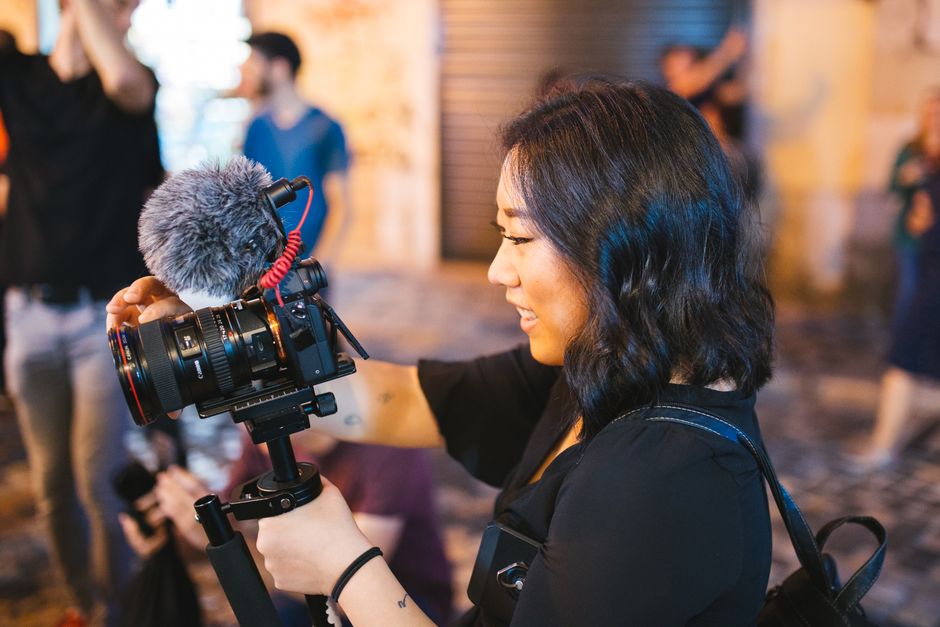
Tripods on narrow sidewalks are public enemy number one. I see creators setting up C-stands right in the middle of heavy foot traffic, forcing moms with strollers and people rushing to work to step off the curb. That is a guaranteed way to get your gear clipped or your intentions cursed out. Keep your rig handheld whenever possible. If you must use a tripod, tuck it tightly against a wall, a tree, or a lamppost. Never block doorways, escalators, or accessibility ramps.
Step 4: Practice Post-Production Courtesy
Your editing suite is your second chance to do the right thing. If you shot footage in a park or a cafe and noticed a clear, identifiable shot of a private citizen who looked distressed or caught off-guard, blur their face. It takes thirty seconds in your editing software. Adhering to standards similar to the Society of Professional Journalists ethics code means minimizing harm whenever possible. You don’t need every single background extra’s face clearly visible to tell your story.
De-Escalation: What to Do When Someone Confronts You
So, despite your best efforts, someone walks up to you fuming. They want to know why you’re filming them. What do you do? Panic? Argue? Drop your camera?
First, lower your arms and kill the aggressive posture. A camera in someone’s face looks like a weapon to an agitated person. Second, take a breath. Do not immediately scream “It’s a public space, I have rights!” Even if it’s true, shouting it throws gasoline on a dying fire. Instead, use a calm, human voice. Explain what you’re doing. “Hey, I’m really sorry, I’m just shooting a quick video about local architecture/coffee shops, I wasn’t trying to single you out.” If they still demand that you delete the footage, use your best judgment. Is a single B-roll shot worth a physical altercation? Almost never. Hit delete, apologize for the annoyance, and walk away.
Frequently Asked Questions
Is it illegal to film people in public without their permission?
Generally, no. In most jurisdictions, there is no “reasonable expectation of privacy” when you are out in public view. However, privacy laws vary wildly by country and state, especially when recordings are used for commercial promotion, advertising, or harassment.
Can security guards stop you from filming on public sidewalks?
If you are standing on a genuinely public sidewalk, security guards generally have no authority to tell you to stop recording. However, many modern spaces look public but are actually privately owned. If a guard informs you that you are on private property and asks you to leave or stop filming, complying is usually required to avoid trespassing charges.
How can I legally use street footage featuring strangers?
Editorial use—such as news reporting, documentaries, and artistic street photography—usually does not require a signed model release. However, if you plan to use that footage for commercial products, endorsements, or advertisements, you almost always need explicit, written consent from identifiable individuals.
What should I do if someone demands I delete my footage?
Assess your safety first. If the situation is escalating toward physical confrontation, it is almost always safer to delete the specific clip, de-escalate the tension, and walk away. No piece of content is worth your personal safety.