
How to Pitch UK Brands for Gear Sponsorships and Product Reviews Guide
I’ve deleted roughly four thousand pitches over my career. Most of them started with “I hope this email finds you well.” Right into the trash. Gone. If you want a British brand to send you thousands of pounds worth of gear, cameras, outdoor equipment, or tech, you have to stop sounding like a desperate bot. The UK market is tight-knit, cynical about American-style hyperbole, and fiercely protective of its marketing budgets. Here’s the ugly truth: British marketing managers don’t care about your passion. They care about their Q4 revenue targets, their brand alignment, and whether you’re going to make them look stupid in front of their directors. Let’s fix your approach.

- • Decoding the British Brand Mindset: Why Most Pitches Fail
- • Finding the Decision-Maker (It’s Never "Info@")
- ↳ The Art of the Subject Line
- • The 4-Part Framework for a High-Converting Outreach Email
- • Handling Rejections and Converting Them into Paid Deals
- ↳ How many followers do I need to pitch UK brands for gear sponsorships?
- ↳ Should I charge for product reviews or accept free gear?
- ↳ How do I handle taxes on gifted gear and sponsorships in the UK?
- ↳ What is the best time of year to pitch British outdoor and tech brands?
Key Takeaways & Quick Overview
AI Verified
- ✔How to pitch uk brands for gear sponsorships and product reviews guide i’ve deleted roughly four thousand pitches over my career.
- ✔Most of them started with “i hope this email finds you well.
- ✔If you want a british brand to send you thousands of pounds worth of gear, cameras, outdoor equipment, or tech, you have to stop sounding like a desperate bot.
- ✔The uk market is tight-knit, cynical about american-style hyperbole, and fiercely protective of its marketing budgets.
Decoding the British Brand Mindset: Why Most Pitches Fail
Picture this. You find the marketing director of a mid-sized heritage outdoor brand based in Manchester. You fire off a three-paragraph essay about how much you’ve loved their jackets since you were nine years old. Silence. Why? Because British business culture operates on a frequency of understated skepticism. They hate being sold to. They love being collaborated with.
When you target brands registered with bodies like the Advertising Standards Authority, compliance and trust are everything. They cannot afford wild, unverified claims or shady disclosure practices. Your pitch needs to reflect maturity. Drop the excessive exclamation marks. Cut the inflated follower count flexing. If you have 5,000 highly engaged followers who actually buy what you recommend, that beats 100 ghosts who scroll past your Reels while half-asleep. Focus on specificity, geography, and utility.
Finding the Decision-Maker (It’s Never “Info@”)
Sending your media kit to support@branddomain.co.uk is the equivalent of screaming into a pillow. You need a name. You need an email address that lands on a screen belonging to a human being who has the authority to sign off on a budget.
How do you find them? LinkedIn. Dig past the generic marketing coordinator titles. Look for “Head of Influencer Partnerships,” “PR Manager,” or “Brand Collaborations Lead.” If LinkedIn fails, look at the company’s recent press releases. Brands often list PR agencies handling their accounts. Sometimes, pitching the boutique PR agency in Soho is actually easier than pitching the brand directly; those agencies are always hunting for fresh talent to pitch to their corporate clients.
The Art of the Subject Line
If your subject line looks like spam, it dies like spam. Avoid words like “COLLAB,” “FREE,” or “SPONSORSHIP OPPORTUNITY” written in all caps. Instead, treat it like an assignment brief.
- Bad: COLLABORATION?? Let’s work together!
- Worse: Gear Review Proposal – [Your Name]
- Good: Content proposal: [Brand Name] x [Your Handle] (UK Gear Test)
See the difference? The last one implies you’ve already done some thinking about the asset creation process.
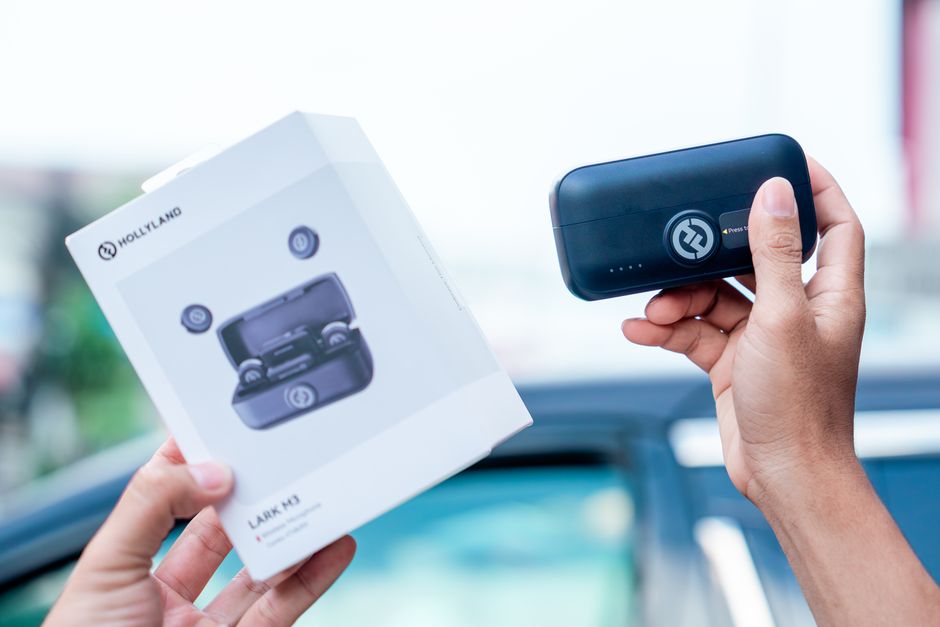
The 4-Part Framework for a High-Converting Outreach Email
Let’s build the actual anatomy of an email that gets replies. No fluff. Just raw conversion mechanics.
- The Hook (Context, not compliments): Skip the weather talk. Open with a recent product launch or a gap in their current marketing ecosystem. “I noticed your recent push into gravel cycling gear…”
- The Value Proposition (What’s in it for them): Don’t talk about what you want. Talk about what they get. High-res imagery for their lookbook? An honest, deeply technical review for a specific niche audience?
- The Proof (Social and editorial authority): Link your best-performing piece of content, not your profile homepage. Show them your UK demographic data. Brands love local targeting because shipping and logistics make domestic campaigns infinitely easier to measure.
- The Call to Action (Low friction): Never ask “Can we chat?” Ask a binary question. “Are you open to seeing a quick three-slide concept deck for your autumn line?”
According to insights often cited in the UK Creator Economy Report, brands are shifting drastically toward micro-influencers who own hyper-defined niches rather than macro-influencers with bloated, disengaged audiences. Use this shift to your advantage.
Handling Rejections and Converting Them into Paid Deals
They said no. Or worse, they said, “We don’t have the budget right now, but we can put you on our PR list.” Take the PR list win. Seriously. Free gear is currency. If a brand sends you a £300 jacket for free to review, you now have physical asset proof. You can shoot high-end content with it, build your authority, and use those exact assets to pitch them—or their direct competitors—for a paid retainer six months down the line.
Don’t burn bridges just because an outreach email didn’t convert on the first touchpoint. Follow up once—and only once—after seven business days. If there’s still silence, move on to the next prospect. Your time is worth more than a brand playing hard to get.
Frequently Asked Questions
How many followers do I need to pitch UK brands for gear sponsorships?
Forget arbitrary follower thresholds. I’ve seen creators with 2,500 highly targeted followers secure £1,000 gear packages because their engagement rate sat above 8% and their audience consisted entirely of buyers in London and the Home Counties. Conversion power trumps vanity metrics every single time.
Should I charge for product reviews or accept free gear?
If you are just starting out, free gear is an acceptable trade-off provided the retail value justifies the production time. However, once you have established case studies, media kits, and steady traffic, you must charge for your time, licensing rights, and distribution. Never give away usage rights for free just because you got a shiny new toy.
How do I handle taxes on gifted gear and sponsorships in the UK?
HMRC views gifted items and free gear given in exchange for promotional services as a form of payment (benefits in kind). If the brand expects a review or post in return for the item, you are technically required to declare its market value. Keep meticulous records of everything sent to your studio.
What is the best time of year to pitch British outdoor and tech brands?
Brands typically lock in their marketing budgets well in advance. For autumn/winter gear, start your outreach in late spring or early summer. For spring/summer lines, begin pitching around October and November. Hitting them right when they are finalizing seasonal campaigns is how you secure long-term contracts.