
How to Vlog Your Daily Routine Without Over-sharing Private Personal Life Guide
I’ve watched hundreds of creators ruin their lives for a two-percent bump in retention rate. They start out filming a cute morning coffee pour, and three years later, they’re broadcasting domestic arguments, crying into a lens because strangers feel entitled to know why their significant left them. Here’s the ugly truth about daily vlogging: the algorithm demands intimacy, but your sanity demands boundaries. Trust me on this—if you don’t build a fortress around your private life on day one, you won’t have a private life left to protect by year two.
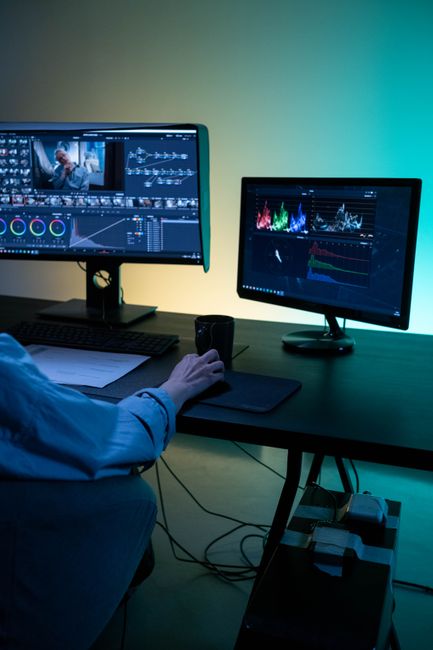
- • The Illusion of Access: Why Viewers Think They Own You
- • Setting Hard Perimeters: What Stays Off Camera Forever
- • The Production Trick: Designing a Set That Looks Like Real Life
- • Mastering the Art of the "Fake" Vulnerability
- ↳ How do I tell my friends and family I don't want to film them?
- ↳ What equipment helps maintain privacy while vlogging?
- ↳ Can I build a loyal audience without sharing my personal life?
- ↳ What should I do if a viewer recognizes me in public?
Key Takeaways & Quick Overview
AI Verified
- ✔How to vlog your daily routine without over-sharing private personal life guide i’ve watched hundreds of creators ruin their lives for a two-percent bump in retention rate.
- ✔They start out filming a cute morning coffee pour, and three years later, they’re broadcasting domestic arguments, crying into a lens because strangers feel entitled to know why their significant left them.
- ✔Here’s the ugly truth about daily vlogging: the algorithm demands intimacy, but your sanity demands boundaries.
- ✔Trust me on this—if you don’t build a fortress around your private life on day one, you won’t have a private life left to protect by year two.
The Illusion of Access: Why Viewers Think They Own You
Let’s address the elephant in the room. The entire medium of the daily vlog is built on a lie. It feels authentic, raw, and unscripted. It feels like you’re hanging out with a friend. But it’s theater. A carefully edited 12-minute slice of a 24-hour day.
When you invite people into your kitchen, they assume they own the refrigerator. They start asking about your spouse who never signed up for a camera in their face. They notice when your child isn’t in the background and start spinning wild conspiracy theories in the comments section. According to research from the Pew Research Center, public figures face escalating privacy concerns the moment their personal spaces intersect with their digital footprint.
You have to establish the rules of engagement early. If you show your apartment building’s exterior, thousands of people now know your zip code. If you film every time you get into a fight with your partner, you’ve weaponized your relationship for ad revenue. Don’t do it. The dopamine hit from a viral video isn’t worth the cost of looking over your shoulder at the grocery store.
Setting Hard Perimeters: What Stays Off Camera Forever
You need a blacklist. Not a mental list—an actual, written-down contract with yourself. Mine looks like this: no family members under eighteen, no real-time location sharing, and no medical emergencies. Period.
When you’re holding a camera all day, recording becomes an autopilot reflex. You pick it up at the breakfast table. You pick it up while driving. That reflex is dangerous. It turns every authentic human moment into potential content. You stop experiencing life; you start archiving it. To combat this, master the art of the strategic omission.
- The Location Lock: Never film house numbers, distinct neighborhood landmarks, or your regular coffee shop’s exact cross-street in real-time. Film your walk, sure, but vlog the journey, not the destination coordinates.
- The Relationship Buffer: If a friend or partner says “turn the camera off,” you drop your arm instantly. No negotiating. No “just one more shot.”
- The Emotional Quarantine: Bad days happen. If you are crying because of a legitimate personal crisis, do not monetize it. Turn the phone off. Processing trauma in front of a lens creates a parasocial dependency that will drain your soul.

The Production Trick: Designing a Set That Looks Like Real Life
Here is a secret Hollywood has known for a century: you don’t need to show your real house to convince people you’re at home. You need a vibe.
I know creators who film their entire “morning routine” in a rental studio or a specifically curated corner of their living room, while the rest of their house looks like a storage unit. Why? Because it protects their sanctuary. When the camera stops rolling, they walk out of that 10-foot radius and they are invisible again.
If you’re vlogging from home, blur your backgrounds. Learn how to manage your depth of field. A wide-open aperture (like f/1.4 or f/1.8) doesn’t just look cinematic—it acts as a privacy shield by turning your background into an unidentifiable wash of color. Organizations like the Electronic Frontier Foundation frequently advocate for digital hygiene practices that limit accidental metadata and visual leaks.
Control the light, control the frame, control your narrative. You are the director of a documentary about a character named “You.” That character doesn’t need to share your social security number or your bedroom layout to be compelling.
Mastering the Art of the “Fake” Vulnerability
Viewers want connection, but they don’t need your deepest traumas. This is where most aspiring vloggers mess up. They think being “real” means confessing every insecure thought they’ve had since middle school.
Instead, practice thematic vulnerability. Share the lesson you learned last year, not the bleeding wound you incurred this morning. Talk about the universal struggle of burnout without naming the specific client or family member who caused it. You give the audience the emotional payoff they crave, while keeping your actual life locked in a safe.
It’s about translation. Instead of vlogging an argument with your roommate about dirty dishes, vlog about the general psychology of sharing a small living space with another human being. It’s relatable, it’s engaging, and best of all, your roommate won’t see it and feel exploited.
Frequently Asked Questions
How do I tell my friends and family I don’t want to film them?
Be blunt before you even turn the camera on. Say, “I’m starting a vlog to document my own projects, but I respect your privacy too much to put you on it.” If they want to be involved later, let them ask you. Never pressure anyone into a frame.
What equipment helps maintain privacy while vlogging?
Invest in a prime lens with a wide aperture (like a 35mm or 50mm f/1.4) to blur out background details. Use directional microphones so you don’t pick up ambient conversations from strangers in public spaces. Software tools for blurring faces and license plates in post-production are also non-negotiable.
Can I build a loyal audience without sharing my personal life?
Absolutely. Some of the most successful channels on the internet are built entirely around a craft, a workflow, or a specific point of view rather than personal biography. People stay for your perspective, not your personal drama.
What should I do if a viewer recognizes me in public?
Be polite, take a quick photo if you have the social battery for it, but draw a hard line about where you are. Never confirm where you live, where you work out, or what your daily schedule looks like in person.