
How to Protect Expensive Camera Equipment From Rain During Outdoor Shoots Guide
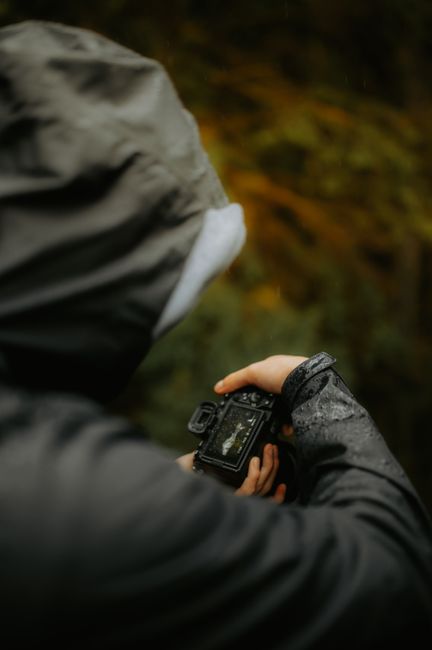
I’ve seen a $3,500 body die a slow, agonizing death because of a ten-minute drizzle. Here’s the ugly truth: most consumer-grade “weather resistance” is a marketing illusion designed to give you false confidence. When the skies open up on a remote mountain trail or a coastal cliffside, your gear becomes a ticking time bomb. Water doesn’t just sit on the surface; it creeps past rubber gaskets, finds the main logic board via the battery compartment, and turns precision glass into a foggy greenhouse. Trust me on this—repair bills cost more than a proper protection setup. Let’s dive into how you actually keep your gear bone-dry when Mother Nature gets angry.
- • The Anatomy of Weather Sealing: What Manufacturers Don't Tell You
- • Field-Tested Physical Barriers: From Pro Rain Covers to Garbage Bags
- • Lens Protection and Optical Clarity in Wet Environments
- • Post-Shoot Protocol: Salvaging Wet Gear Before Corrosion Sets In
- ↳ Can I use my camera in light rain without a cover?
- ↳ What should I do if water gets inside my camera battery compartment?
- ↳ Does rain damage camera sensors directly?
- ↳ Are silicone camera armor skins waterproof?
Key Takeaways & Quick Overview
AI Verified
- ✔How to protect expensive camera equipment from rain during outdoor shoots guide i’ve seen a $3,500 body die a slow, agonizing death because of a ten-minute drizzle.
- ✔Here’s the ugly truth: most consumer-grade “weather resistance” is a marketing illusion designed to give you false confidence.
- ✔When the skies open up on a remote mountain trail or a coastal cliffside, your gear becomes a ticking time bomb.
- ✔Water doesn’t just sit on the surface; it creeps past rubber gaskets, finds the main logic board via the battery compartment, and turns precision glass into a foggy greenhouse.
The Anatomy of Weather Sealing: What Manufacturers Don’t Tell You
You bought a flagship camera body stamped with weather-resistant seals. Great. Now, do you know what those seals actually protect against? Hint: not a torrential downpour. Most manufactures build gaskets using thin strips of synthetic rubber around doors, dials, and lens mounts. But the moment you zoom a non-internal-focus lens, that barrel creates a vacuum. It literally sucks moisture right past the gaskets.
According to Weather Sealing Standards, ingress protection ratings vary wildly. A typical high-end camera body might handle a light mist or vertically falling spray, but horizontal wind-driven rain is a game over scenario. If you’re relying solely on factory seals while shooting near the ocean or in a tropical storm, you are gambling with thousands of dollars. You need physical barriers. Period.
Field-Tested Physical Barriers: From Pro Rain Covers to Garbage Bags
Forget aesthetics. When you’re standing in a deluge, looking cool goes out the window. You need functional, redundant weather defense.
First, let’s talk about dedicated rain sleeves. Brands like Think Tank and RucPac make nylon covers with clear plastic windows so you can actually see your LCD screen. They allow hand access through cinched sleeves, letting you adjust ISO and shutter speed without exposing the camera’s guts to the elements.
What if you’re caught completely unprepared?
I’ve pulled off more than a few emergency saves using a simple grocery store plastic bag and a rubber band. Cut a hole in the bottom of the bag just large enough for your lens hood to poke through. Secure it tightly with a heavy-duty rubber band or gaffer tape. Slip your hands through the open end at the back to operate the dials. It looks ridiculous. It sounds crinkly. But it works. Just be warned: condensation can build up inside trapped plastic if you’re shooting for hours, so crack the seal occasionally to let things breathe.
Lens Protection and Optical Clarity in Wet Environments
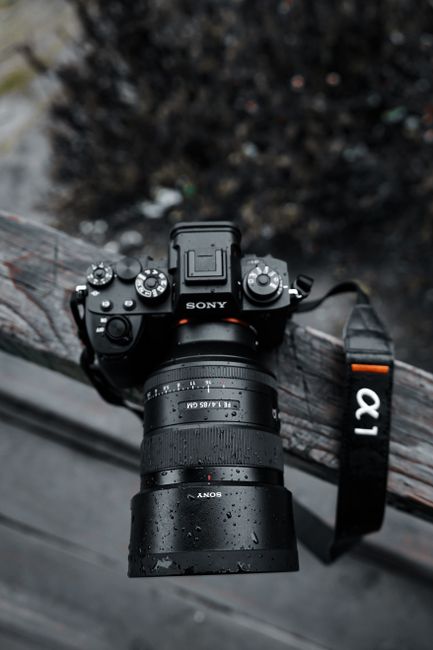
Keeping water off your sensor is priority number one. Keeping water off your front element is priority 1A. Raindrops on glass ruin contrast, create nasty lens flare, and make autofocus hunt endlessly.
Always screw on a high-quality UV filter or clear protective filter before stepping out into the wet. Why? Because wiping salt spray or muddy raindrops off a $150 filter hurts your soul a lot less than wiping it across the front coating of a $2,000 prime lens.
Pack a dozen clean, lint-free microfiber cloths in a Ziploc bag inside your jacket—keep them body-warm and dry. A wet microfiber cloth is useless; it just smears grease and water around. You need a dry cloth rotation system. Furthermore, attach a deep lens hood. It won’t stop a hurricane, but it keeps diagonal raindrops off the glass for a surprising amount of time.
Post-Shoot Protocol: Salvaging Wet Gear Before Corrosion Sets In
The shoot is over. You survived. You pack your wet gear into a zipped backpack, drive home, toss the bag in the closet, and go to sleep.
Big mistake. Massive mistake.
Trapped moisture inside a dark, warm camera bag is a breeding ground for fungus and internal electrical corrosion. When you get home from a wet shoot, do not close your bag. Strip everything down.
1. Remove the battery and memory cards immediately.
2. Wipe down the exterior of the camera and lenses with a dry towel.
3. Leave battery doors, port covers, and lens caps off.
4. Place the gear in an open space with a fan blowing gently across it at room temperature.
Never use a hair dryer or heat gun. High heat warps plastics, melts adhesives, and drives moisture deeper into the internal electronics. If you live in an exceptionally humid climate, invest in a dry cabinet or load a sealed plastic storage bin with bulk silica gel packs. Check current National Oceanic and Atmospheric Administration weather data before your next outing so you can prep your drying station ahead of time.
Frequently Asked Questions
Can I use my camera in light rain without a cover?
If your camera and lens both feature professional weather sealing and you’re only out for a few minutes in a light drizzle, you will likely survive. However, why risk it? Micro-droplets can still seep past control dials and hot shoes, leading to erratic electronic behavior down the line. Use a cover whenever possible.
What should I do if water gets inside my camera battery compartment?
Power down the camera instantly and pull the battery out. Do not turn it back on. Open all doors, remove the memory card, and place the body in a dry environment with silica packets for at least 48 hours. If salt water entered the system, send it to a professional service center immediately before internal corrosion ruins the motherboard.
Does rain damage camera sensors directly?
Sensors themselves are protected behind a low-pass or infrared-cut glass filter, but water entering the mirror box (on DSLRs) or the open mount (on mirrorless cameras during lens changes) will hit the shutter mechanism and sensor assembly. This leaves mineral deposits and water spots that require tedious sensor cleaning or professional repair.
Are silicone camera armor skins waterproof?
No. Silicone skins offer great drop protection and guard against minor scuffs, but they do not seal seams. In fact, they can trap water underneath the rubber skin against the camera body, creating a prolonged moisture exposure problem if rain gets inside the edges.