
How to Handle Filming Restrictions in Shopping Malls and Private Venues Guide
I’ve been chased out of three malls, threatened with a $50,000 fine on a private estate, and cornered by mall security guards who thought my DJI gimbal was a missile launcher. Here’s the ugly truth: most YouTube tutorials on filming in public spaces are complete garbage. They blur the lines between public sidewalks and private property, setting you up for a confrontation, broken gear, or worse—a trespassing charge. Trust me on this. When you step off the municipal concrete and onto private asphalt, the rules of the game change entirely. Let’s break down how to actually get your shots without getting thrown out on your ear.
- • The Legal Reality of Private Property Versus Public Space
- ↳ Why Mall Management Hates Cameras (It's Not Personal)
- • Pre-Production Strategies for Securing Filming Permits
- • On-Set Tactics When Security Confronts Your Crew
- • Stealth Filming Best Practices (When You Have No Choice)
- ↳ Can mall security legally delete my footage?
- ↳ What makes a space "private" versus "public" in the eyes of the law?
- ↳ Do I need a release form to film people in a shopping mall?
- ↳ How can I find out who owns a specific shopping center?
Key Takeaways & Quick Overview
AI Verified
- ✔How to handle filming restrictions in shopping malls and private venues guide i’ve been chased out of three malls, threatened with a $50,000 fine on a private estate, and cornered by mall security guards who thought my dji gimbal was a missile launcher.
- ✔Here’s the ugly truth: most youtube tutorials on filming in public spaces are complete garbage.
- ✔They blur the lines between public sidewalks and private property, setting you up for a confrontation, broken gear, or worse—a trespassing charge.
- ✔When you step off the municipal concrete and onto private asphalt, the rules of the game change entirely.
The Legal Reality of Private Property Versus Public Space
Let’s clear up the biggest misconception in modern media creation right away. Just because a shopping mall has a open-door policy and thousands of daily visitors doesn’t make it a traditional public forum. It is private property. Period. While First Amendment audits give you broad rights on public sidewalks, private venue owners hold all the cards when you cross their threshold. They can kick you out for wearing a red hat, let alone pointing a cinematic camera at their storefronts.
I learned this the hard way in downtown Chicago. I was shooting B-roll for a documentary, assuming that a massive atrium with public seating fell under standard public recording laws. Within four minutes, three private security guards surrounded me. They didn’t care about my constitutional arguments. They cared about liability, corporate branding, and insurance. Under the law regarding property rights and filming laws, venue owners have an absolute right to dictate who records on their premises and under what conditions. If you refuse to leave when asked, you aren’t just breaking a rule—you are trespassing.
Why Mall Management Hates Cameras (It’s Not Personal)
Why are shopping malls and private venues so paranoid about a guy with a mirrorless camera? It comes down to three things: corporate liability, competitor intelligence, and patron privacy. Retailers pay exorbitant lease rates to operate inside these spaces. They do not want random creators capturing accidental slip-and-fall footage, filming disgruntled employees, or broadcasting their proprietary visual merchandising layouts to the world.
- Liability Concerns: Security teams assume a camera crew equals a lawsuit waiting to happen.
- Disruption: Tripods block walkways, creating ADA compliance hazards and fire code violations.
- Brand Protection: Malls spend millions curating a pristine consumer experience. They control the narrative.
Pre-Production Strategies for Securing Filming Permits
If you’re rolling the dice and hoping to “gorilla film” your way through a shopping center, good luck. For commercial projects, documentaries, or branded content, you need to play ball with the bureaucracy weeks in advance. I’ve found that asking for forgiveness *never* works with institutional property managers. You need to ask for permission, and you need to sound like a professional while doing it.
Start by identifying the property management company, not the tenants. Tenants have no authority to grant you filming access to common areas. Send a formal location release request detailing your insurance coverage (always carry a $1 million general liability policy), your exact crew size, the gear you’re bringing, and a shot list. Yes, they will likely ask for a location fee. Factor it into your budget. Treating this step as an optional chore is how productions get shut down mid-day with zero recourse.

On-Set Tactics When Security Confronts Your Crew
So, you filled out the forms, or maybe you decided to risk a low-profile run-and-gun shoot anyway. Suddenly, a guy in a high-vis vest with a radio approaches you. What do you do? Panic? Argue case law? Absolutely not.
De-escalation is your primary superpower. The moment security approaches, drop your hands from the camera. Smile. Be aggressively polite. Security guards deal with unruly teenagers and shoplifters all day; when you treat them with immediate respect, you instantly disarm their aggressive posture.
- Kill the Power: Turn off your monitor or lower your rig immediately to show compliance.
- Never Argue Jurisdiction: Do not say, “This is a public space!” Say, “I apologize, we are just capturing some quick footage. Where is the property line where we can keep shooting legally?”
- Know When to Fold: If they ask you to leave, leave. No shot is worth getting your equipment confiscated or getting banned from a major venue chain permanently. You can read more about commercial photography regulations to understand how federal and municipal parks handle similar disputes differently than private corporations.
Stealth Filming Best Practices (When You Have No Choice)
Look, I know how it is. Sometimes indie budgets don’t allow for a $2,500 permit fee, and you just need a 10-second establishing shot of a shopping arcade. If you are going to run a low-profile shoot, you need to look less like a Hollywood production and more like an ordinary consumer documenting their day.
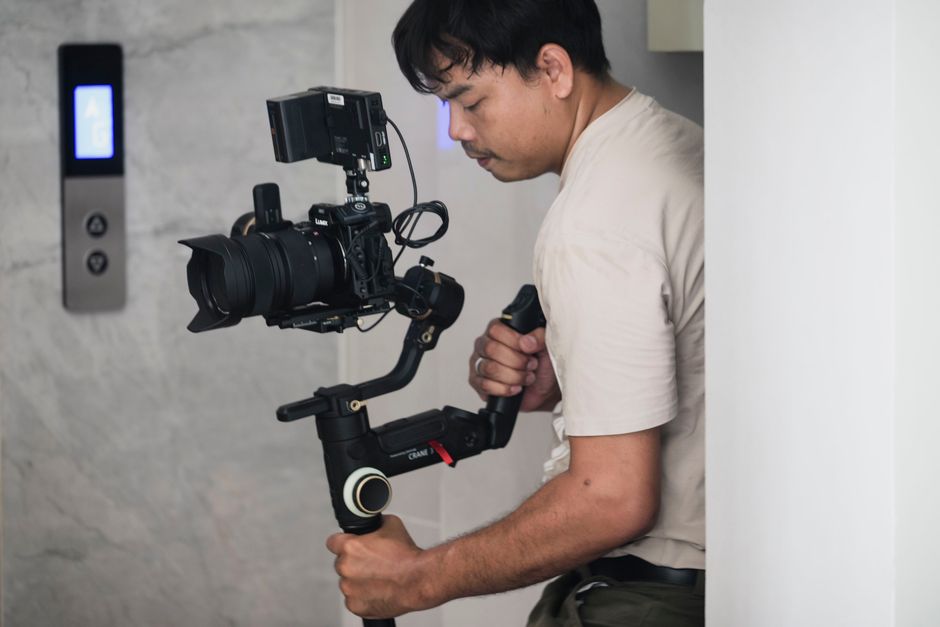
Ditch the matte boxes, the giant V-mount batteries, and the external monitors. Use a small-form-factor mirrorless camera or even a smartphone on a pocket gimbal. Wear normal, non-descript clothing—avoid matching crew t-shirts or high-visibility vests that make you look like an official shoot. Move with purpose. People who linger in one spot drawing attention get noticed; people walking steadily with a small handheld device look like tourists.
Frequently Asked Questions
Can mall security legally delete my footage?
No. Even on private property, security guards do not have law enforcement powers in most jurisdictions. They cannot legally force you to delete your footage, inspect your memory cards, or seize your equipment. They *can* legally order you to leave the premises, and if you refuse, they can detain you until local police arrive. If local police arrive, they still generally need a warrant to view or delete your files, though they can trespass you instantly.
What makes a space “private” versus “public” in the eyes of the law?
Ownership and access control dictate the distinction. If the land and buildings are owned by a private entity, corporation, or individual—even if the public is freely invited to enter during business hours—it is private property. Public spaces are owned and maintained by local, state, or federal government entities, such as public sidewalks, municipal parks, and government-owned plazas.
Do I need a release form to film people in a shopping mall?
For editorial use, documentary work, or artistic street photography in many jurisdictions, you generally do not need a signed model release for people captured in public or semi-public spaces. However, if you plan to use that footage for commercial purposes, advertising, or product endorsement, you legally must secure a model release from recognizable individuals, regardless of where the footage was captured.
How can I find out who owns a specific shopping center?
You can check the property tax assessor’s website for the county or municipality where the mall is located. Alternatively, most major shopping centers list their management company and property leasing contacts right on their corporate website under an “About Us” or “Leasing” tab.