
How to Overcome Camera Shyness and Speak Naturally in Public Guide
I remember the first time a camera was shoved in my face for a live broadcast. My palms were sweating through my suit jacket. My mouth felt like it had been stuffed with dry sand. I forgot my own middle name, let alone the talking points I had memorized for three days straight. If you are reading this, you probably know that exact brand of terror. The red recording light blinks. Your heart rate spikes to 140 beats per minute. Your brain screams run. Here’s the ugly truth: that camera lens feels like a judgmental eye staring straight into your soul. But after years of standing on stages and staring down glass lenses, I’ve learned that camera shyness isn’t a permanent personality flaw. It’s just a bad habit of perspective. Let’s fix it.
- • Why the Camera Lens Triggers Your Fight-or-Flight Response
- ↳ The "Single Human" Trick
- • Deconstructing the Myth of Perfectionism
- ↳ How to Script Without Sounding Scripted
- • Practical Drills to Desensitize Your Brain
- • Mastering Your Physical Anchor Points
- ↳ Why does my voice sound so weird and high-pitched on video?
- ↳ Should I look at the camera lens or my screen's preview?
- ↳ How do I stop fidgeting with my hands while speaking on camera?
- ↳ Is it normal to still feel nervous after years of recording videos?
Key Takeaways & Quick Overview
AI Verified
- ✔How to overcome camera shyness and speak naturally in public guide i remember the first time a camera was shoved in my face for a live broadcast.
- ✔My palms were sweating through my suit jacket.
- ✔My mouth felt like it had been stuffed with dry sand.
- ✔I forgot my own middle name, let alone the talking points i had memorized for three days straight.
Why the Camera Lens Triggers Your Fight-or-Flight Response
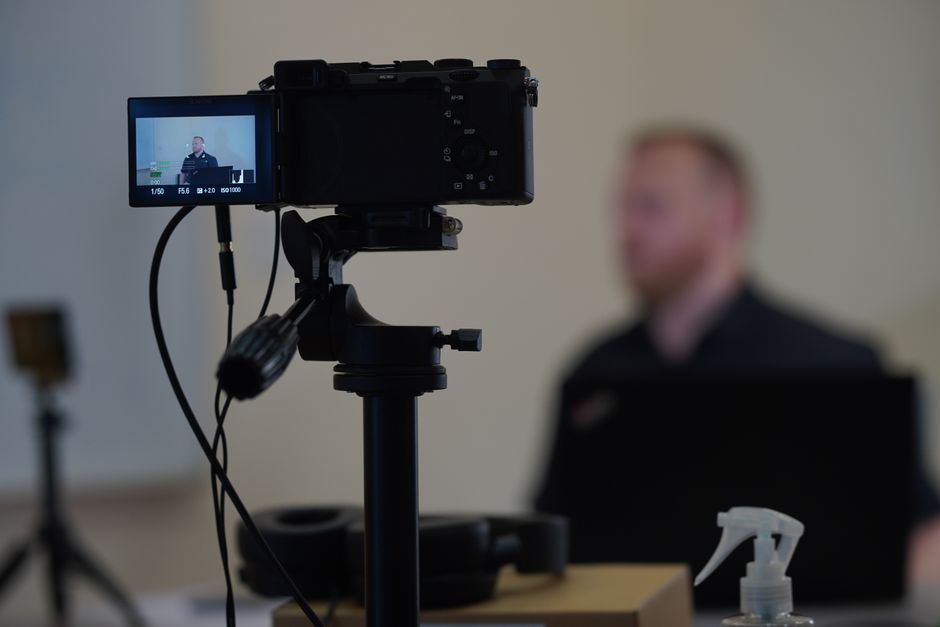
Let’s get one thing straight. You aren’t actually afraid of a piece of glass, silicon, and metal. You are afraid of the invisible crowd standing behind it. According to studies by the American Psychological Association, public speaking ranks as one of the most common phobias known to humanity. When you point a camera at yourself, your brain processes it as a predatory gaze. There’s no immediate feedback loop. In a normal conversation, you read nods, smiles, and micro-expressions. On camera? You get a cold, black hole reflecting your own self-doubt.
I’ve noticed that most beginners try to “fake it till you make it.” They plaster on a fake smile, stiffen their posture, and sound like a corporate robot reading a ransom note. That approach fails because your audience smells the phoniness instantly. Instead of fighting the nerves, you have to trick your nervous system into treating the camera like an old friend.
The “Single Human” Trick
Stop picturing thousands of people watching your video. It paralyzes you. Instead, tape a tiny photo of a specific friend—or even your dog—directly underneath or beside the camera lens. Talk to them. When you anchor your gaze to a specific, friendly face, your vocal tone drops into a natural, conversational register. You stop shouting at the room and start talking to a human being.
Deconstructing the Myth of Perfectionism
Perfectionism is the absolute enemy of natural public speaking. We watch polished TedTalks or slick YouTube creators and assume we need to deliver a flawless, unbroken monologue on the first take. Total nonsense.
Professional broadcasters stumble. They stutter. They lose their train of thought. The difference? They don’t stop. They don’t panic. They simply pause, breathe, and keep rolling. If you mess up a sentence, swallow your pride, laugh at yourself, and say it again. Viewers don’t connect with perfection; they connect with vulnerability. If you look like you’re reading a teleprompter at gunpoint, your viewers will click away in three seconds.
How to Script Without Sounding Scripted
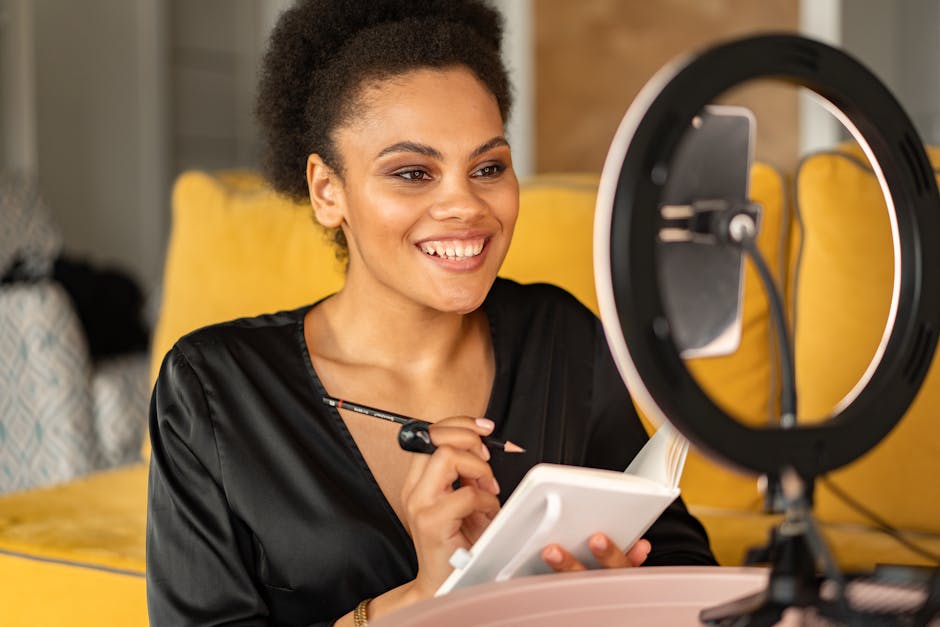
Do not write out your script word-for-word unless you enjoy sounding like a robot. Write out bullet points. Use the Headline-Story-Action framework.
- Write your core point in one sentence.
- Jot down a quick, messy story or example from your actual life.
- Note the single action you want the viewer to take.
When you rely on bullet points, you are forced to improvise the connective tissue of your sentences. That improvisation creates the hesitation, pauses, and cadence shifts that make human speech sound, well, human.
Practical Drills to Desensitize Your Brain
Reading about confidence won’t make you confident. Action does. If you want to conquer this, you need to desensitize your brain to the recording environment through deliberate, low-stakes exposure.
First, open your phone’s camera app right now. Do not record a video. Just look at yourself on the screen for two full minutes without judging your hair, your skin, or your background. Get used to seeing your own face move in real time. Most of us hate speaking on camera because we hate the sound of our recorded voice and the look of our facial expressions. Familiarity breeds acceptance.
Next, try recording 60-second video journals every morning. No filters. No script. No intention of ever posting them anywhere. Talk about what you had for breakfast or what annoyed you on your commute. Do this for seven days straight. By day five, the novelty wears off. The red light loses its bite.
If you want structured, real-world practice, organizations like Toastmasters International offer safe environments to test your public speaking chops, many of which now incorporate video evaluation tracks.
Mastering Your Physical Anchor Points
Your body dictates your mind. If you hunch your shoulders, your voice becomes shallow and thin, which feeds your internal panic. Before you hit record, use these physical resets:
- The Wall Stand: Stand with your back flat against a wall for thirty seconds. This aligns your spine and instantly opens up your diaphragm.
- The Vowel Warm-Up: Exaggeratedly mouth “A-E-I-O-U” five times. It sounds ridiculous, but it loosens the tight facial muscles that make you sound like you’re clenching your teeth.
- Lower the Center of Gravity: Plant your feet shoulder-width apart. Shift slightly into your heels. Stop swaying. Controlled stillness conveys immense authority on camera.
Mastering the lens isn’t about becoming an actor. It’s about stripping away the armor and letting your actual personality bleed through the glass. Drop the stiff posture, ditch the memorized script, and treat the camera like the inanimate object it is. You’ve got a voice worth hearing—now go let the world see it.
Frequently Asked Questions
Why does my voice sound so weird and high-pitched on video?
When you speak normally, you hear your voice through both air conduction and bone conduction inside your skull, which makes it sound deeper and richer to you. When you hear a recording, you’re only hearing air conduction. Everyone hears your recorded voice the way it actually sounds; you are simply the only person on earth surprised by it. You adjust to it within a few weeks of consistent practice.
Should I look at the camera lens or my screen’s preview?
Always look directly into the camera lens when making a core point. Looking at the lens creates direct eye contact with the viewer. If you stare at your own face on the preview screen, your eyes will wander, and viewers will perceive you as distracted, insecure, or untrustworthy.
How do I stop fidgeting with my hands while speaking on camera?
Fidgeting usually stems from nervous physical energy with nowhere to go. Anchor your hands by resting them naturally on a table, or use purposeful, open hand gestures that match your speech cadence. If your hands are active and purposeful, the nervous twitching stops automatically.
Is it normal to still feel nervous after years of recording videos?
Yes. That nervous spike is adrenaline, and adrenaline is fuel. Veteran speakers don’t stop feeling nervous; they just stop letting the nervousness interpret as fear. They reframe it as excitement and use that extra energy to deliver a more dynamic performance.