
How to Choose Your First Vlogging Camera on a Tight Budget Guide
I’ve seen it a thousand times. Someone decides they want to start a YouTube channel, they drop two grand on a cinema-grade rig, and three months later, that exact same camera is sitting in a dusty corner of their closet, listed for half-price on Facebook Marketplace. They thought gear equaled views. It doesn’t. In fact, when you’re starting out, a massive budget is usually a handicap. It makes you focus on aperture and log profiles instead of pacing, audio, and storytelling. If you are hunting for a vlogging camera on a tight budget, take a deep breath. You are actually in the best possible position to learn how this industry really works. Let’s cut through the marketing noise and figure out what you actually need to buy.

- • The Trap of the "Beginner" Camera Label
- • Sensor Size vs. Your Bank Account
- • The Hidden Costs Nobody Warns You About
- • New vs. Used: The Ultimate Vlogging Showdown
- • Final Verdict: Pulling the Trigger
- ↳ Can I just use my smartphone instead of buying a budget vlogging camera?
- ↳ Is 4K resolution necessary for a beginner vlogger?
- ↳ What is the most important feature to look for in a cheap vlogging camera?
- ↳ Should I buy a camera with a flip screen?
Key Takeaways & Quick Overview
AI Verified
- ✔How to choose your first vlogging camera on a tight budget guide i’ve seen it a thousand times.
- ✔Someone decides they want to start a youtube channel, they drop two grand on a cinema-grade rig, and three months later, that exact same camera is sitting in a dusty corner of their closet, listed for half-price on facebook marketplace.
- ✔In fact, when you’re starting out, a massive budget is usually a handicap.
- ✔It makes you focus on aperture and log profiles instead of pacing, audio, and storytelling.
The Trap of the “Beginner” Camera Label
Here’s the ugly truth: camera manufacturers love beginners. Why? Because beginners don’t know what specs matter yet. They slap terms like “vlogger edition” on a mediocre device, jack up the price by two hundred bucks, and throw in a flimsy plastic tripod that snaps on first use. Trust me on this—ignore the marketing buzzwords.
When you are operating on a strict budget, your definition of “good” needs to shift immediately. You aren’t looking for Hollywood quality. You are looking for reliability, decent autofocus, and a microphone jack. Period. If a camera lacks a microphone input, walk away. I don’t care how cheap it is. Internal camera mics pick up every gust of wind and mechanical whir from the lens, leaving your footage sounding like it was recorded inside a tin can during a hurricane. According to industry analysis over at Digital Photography Review, audio quality consistently ranks higher than 4K resolution in keeping viewer retention high. People will tolerate a slightly soft 1080p image; they will click away instantly from screeching audio.
Sensor Size vs. Your Bank Account
Let’s talk sensors. You’ve probably heard camera nerds arguing about full-frame versus APS-C versus Micro Four Thirds. Ignore them. For a budget vlogging setup, you are generally looking at either a smartphone you already own, a used crop-sensor DSLR, or a compact point-and-shoot with a fixed lens.
If your budget is under three hundred dollars, stop looking at dedicated cameras right now. Seriously. Use your phone. Modern smartphones have computing power that blows twenty-hundred-dollar cameras from a decade ago out of the water. Pair that phone with a thirty-dollar external shotgun mic and a cheap ring light, and you will out-produce ninety percent of the people buying dedicated gear.
However, if you have a bit more breathing room—say, between $400 and $600—the used market is your best friend. Look for older mirrorless bodies. Brands like Sony and Canon have flooded the market with entry-level interchangeable lens cameras over the last eight years. You can pick up a used body with an kit lens that will give you that coveted background blur (bokeh) without taking out a second mortgage. Always cross-reference sensor capabilities using DXOMARK sensor tests to see how older models hold up in low light before you pull the trigger.
The Hidden Costs Nobody Warns You About
Here is where most people get burned. They budget $500 for a camera, spend every last penny of it, and then realize they can’t actually make videos. Why? Because the camera body is only the cover of the book.
You need to account for:
- SD Cards: Buy fast, reliable cards (V30 rating minimum if you shoot 4K). Cheap cards corrupt your files mid-sentence, and losing footage will make you want to throw your rig into a lake.
- Batteries: Budget cameras, especially older mirrorless models, eat batteries for breakfast. Buy at least two third-party spare batteries and an external dual charger.
- Audio Gear: As mentioned, audio is king. Budget at least fifty bucks for a decent directional mic or a cheap wireless lavalier set.
- Support: A mini tripod that doubles as a handgrip is non-negotiable for walking and talking.
If your hard limit is $500, your camera purchase price shouldn’t exceed $350. The rest *must* go toward these accessories. If you ignore this rule, you’ll end up with a high-end paperweight.
New vs. Used: The Ultimate Vlogging Showdown
I never buy new camera gear, and neither should you—unless you have corporate sponsorship or money to burn. Cameras are like cars; the second you open the box and take it out of the store, it loses twenty percent of its value.
The used market is massive, and reputable dealers (like MPB, KEH, or B&H Photo’s used department) offer return policies and ratings systems so you don’t get scammed. When buying used, check the shutter count if it’s a DSLR. For mirrorless cameras, look closely at the sensor for scratches and test the flip screen hinge. The hinge is always the first thing to fail on a budget vlogging camera because people constantly flip it back and forth to check their framing.
If you want to dive deeper into structuring your channel once you have your gear sorted, take a look at the foundational tips provided by the YouTube Creator Academy for best practices on audience retention.
Final Verdict: Pulling the Trigger
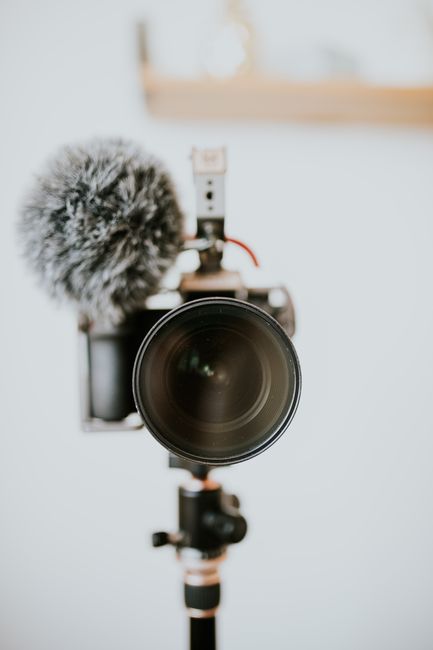
Don’t wait for the “perfect” camera to drop in price. There will always be a newer model coming out next month that makes your current choice look obsolete. That is by design. The tech industry wants you in a perpetual state of gear acquisition syndrome. Break the cycle. Pick up a reliable, used, microphone-friendly setup, slap a cheap wind muff on your audio source, step outside, and start recording. Your first fifty videos are going to be rough anyway—you might as well make them on a rig that didn’t break the bank.
Frequently Asked Questions
Can I just use my smartphone instead of buying a budget vlogging camera?
Absolutely. If you own a flagship phone from the last three years, its video capabilities likely rival or beat dedicated budget cameras under $500. Invest your money in a good microphone, lighting, and a sturdy tripod instead.
Is 4K resolution necessary for a beginner vlogger?
No. 1080p (Full HD) is more than enough for starting out. 4K eats up massive amounts of storage space, bogs down older computers during editing, and requires faster, more expensive SD cards. Focus on content and lighting first.
What is the most important feature to look for in a cheap vlogging camera?
An external microphone jack is non-negotiable. If a camera lacks a 3.5mm microphone port, your audio options will be severely limited, which will tank the overall quality of your videos.
Should I buy a camera with a flip screen?
If you plan on talking directly to the camera while walking or sitting stationary (talking head style), yes, a flip screen or articulating screen is immensely helpful. If you shoot mostly B-roll or cinematic POV content, it matters much less.